Categories
News

InterAct partners with Made Smarter Adoption for ‘Technology Transfer Workshop’

As part of Leicester’s Innovation Festival, InterAct partnered with Made Smarter East Midlands (MSEM) to host the latest in their series of Technology Transfer Workshops titled, ‘Increasing Productivity through the Adoption of Digital Technology’ on 9th February, 2024.

The InterAct and MSEM teams gathered a sizeable audience of manufacturers to hear from four Industrial Digital Technology (IDT) providers about solutions designed to assist SME’s with increasing productivity, and the InterAct funded, human insight focused research that can help to support successful implementation.
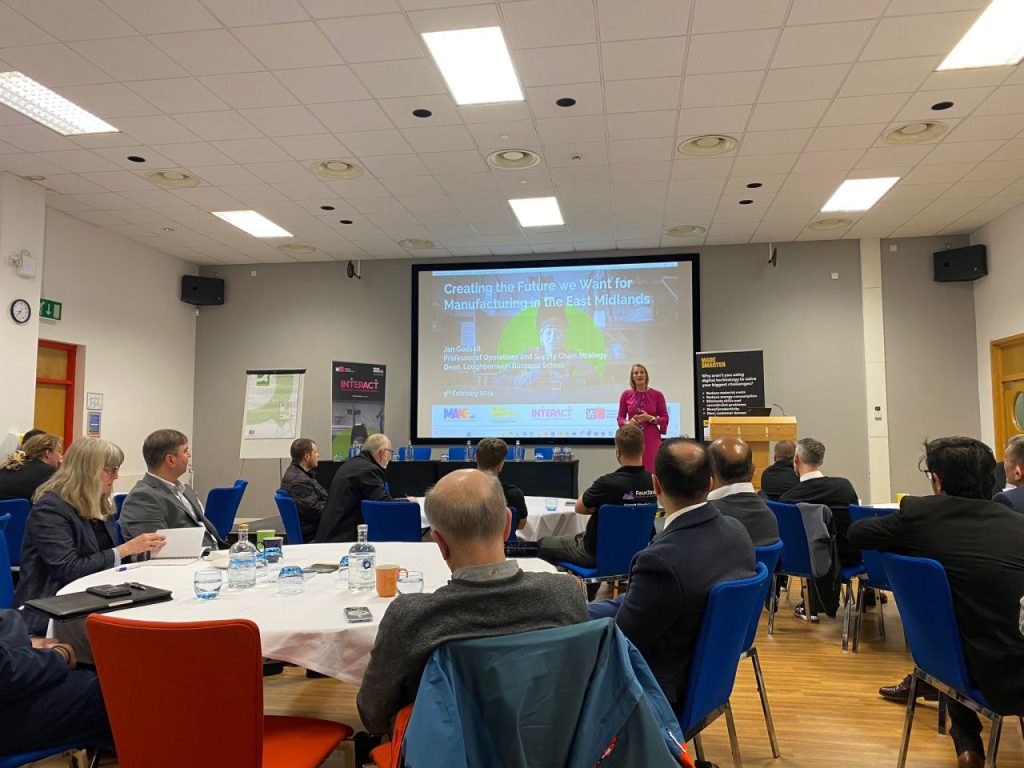
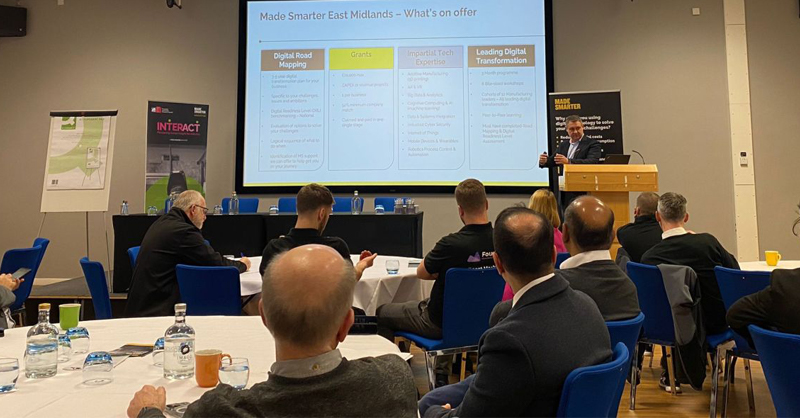
Attendees had the chance to learn about best practice for adopting new manufacturing technology, minimising implementation time, and maximising upside. Our guest speakers drew on a wealth of expertise to discuss the risks, key challenges, and considerations in adopting digital technology.

Presenters sharing the technologies on offer included:

  • Phil Tonge and Mark Lees of TQC – discussing their design and supply assembly automation, robotics, and testing equipment services.
  • George Slater of FourJaw – examining the how manufacturing analytics technology can use new and existing operational information to power data-driven production planning and strategy.
  • Vignaes Rajesh and Chris Pavelin of Sensopart – delivering a presentation on optical sensors and vision-guided robotic solutions.
  • Nicola Ballantyne of MESTEC – explaining the benefits of MESTEC’s integration of a manufacturing execution system with a traditional ERP framework to integrated front and back office functions more effectively.
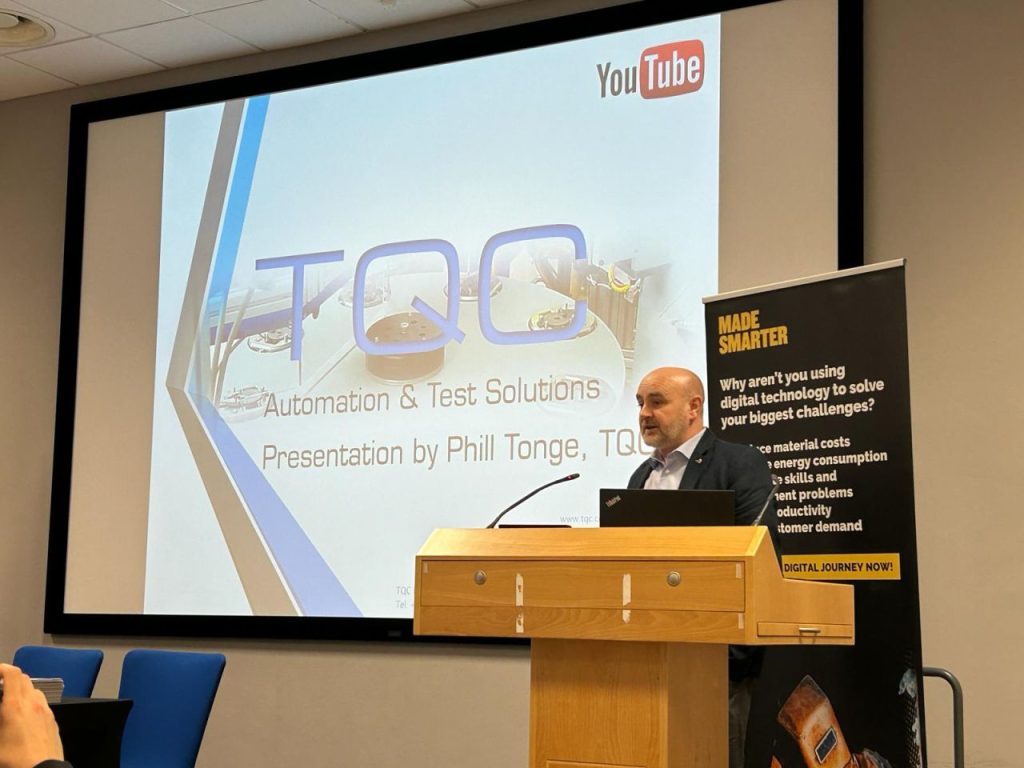
Participants then had the opportunity to hear from two InterAct funded researchers from the University of East Anglia, Dr. Dimitrios Dousios and Dr. Antonios Karatzas about their work on application of digitally servitized business models for SME manufacturers. Their online tool offers decision-makers the means to diagnose the contextual and organisational conditions of their business and determine the suitability of digital servitization business models. You can access their full report and toolkit here.
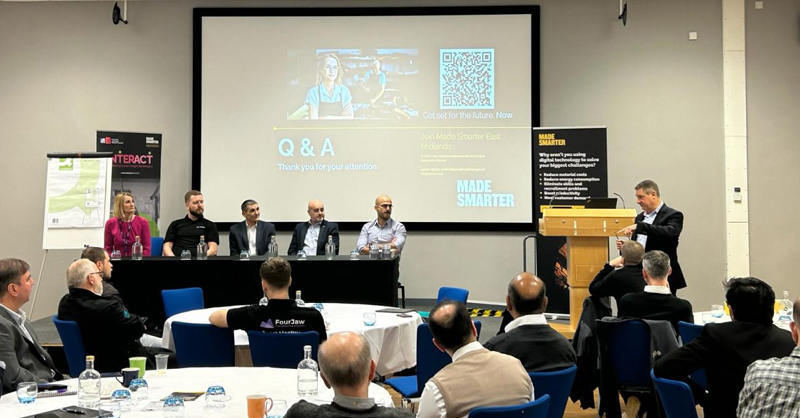
The event concluded with a panel discussion featuring technology providers and InterAct researchers, discussing the challenges associated with digital implementation and improving productivity within the sector, followed by a general networking session and showcase opportunity for businesses and Made Smarter investments.


Made Smarter East Midlands – ‘Technology Transfer Workshops’ are a dynamic series of events dedicated to empowering manufacturing Small and Medium-Sized Enterprises (SMEs) in the East Midlands. Presented by Made Smarter East Midlands, these workshops are specifically designed to show how the adoption of digital technology can help manufacturers solve everyday challenges and capitalise on new opportunities. To find out more about how Made Smarter Adoption can help you, and keep up to date with upcoming events, visit their website.


Categories
News

InterAct publishes Future of Digital Manufacturing Ecosystems ‘Scenarios 2040’ report

Disruption, digital innovation, new business models… the world of manufacturing is changing rapidly, perhaps faster than ever before. To adapt and survive, businesses must anticipate changes, identify opportunities and make informed decisions.

The InterAct Future of Digital Manufacturing Ecosystems team, one of InterAct’s core research streams, is committed to developing co-created solutions to the challenges facing the UK manufacturing sector in the near future. This team has now put together a vital report that brings you the information you need, at your fingertips, outlining potential future scenarios and the associated opportunities for the manufacturing world.

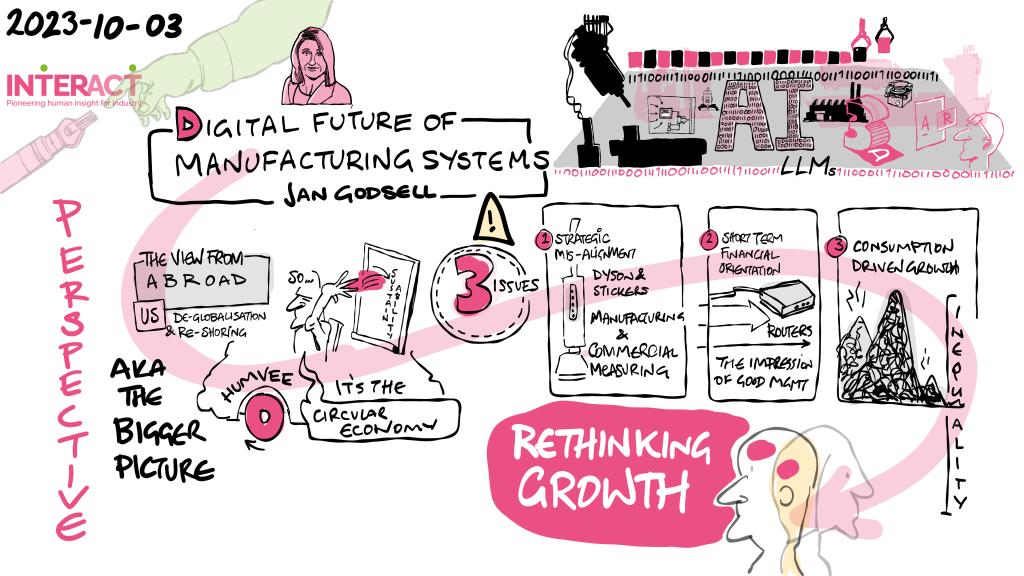
Discussing the importance of this new work, InterAct Co-director and Future of Digital Manufacturing Ecosystems lead, Professor Jan Godsell said: “The future can often seem distant and subordinate to the problems of today, particularly in the supply chain and manufacturing sectors when it has felt as though we are living in an age of ‘permacrisis’, constantly fighting just to stay on track.

However, if anything, the impacts of conflict, pandemic, supply chain disruption, climate change and labour market shifts have proven the vital importance of considering potential futures, today. That’s why my team has produced this new report, to be used in conjunction with upcoming workshops and case studies to create a framework for businesses to effectively plan for, and mitigate challenges whilst exploiting new technological opportunities.

We’re excited to be working with organisations like Midlands Engine and Make UK on this project, and I look forward to inviting new and existing members of the InterAct Network to join us in co-creating this work.”

The scenarios outlined in the report map out four potential alternatives for the digital manufacturers of tomorrow:

  • Productivity Powerhouse
  • Flexibility as Standard
  • Sustainability Champion
  • Happy and Sustainable Workforce

Download the report to find out more about how the most useful measure of sustainable progress is total factor productivity, which accounts for inputs beyond labour – such as materials, energy and administrative time – to compare them against total outputs.

Categories
InterAct Blog

Rethinking manufacturing: It is everything, everywhere, all at once

In a world where perceptions shape industries and policies, understanding the narrative surrounding manufacturing is crucial. InterAct has recently published a report which analyses the perceptions of manufacturing in the United Kingdom and compares it with six other countries.

The report “How to make manufacturing charming again? It is everything, everywhere, all at once”, authored by researchers from Aston University and the University of Cambridge, examines the factors that influence these perceptions and tracks how the UK public’s perception has evolved over time.

The aim of the report is to support InterAct research on the future of manufacturing by providing insights into attitudes to manufacturing and industrial strategies, and how manufacturing is discussed in other countries, particularly where digital technologies have been adopted.

Public perceptions of manufacturing across countries and over time

Although governments remain hesitant to explicitly champion “industrial policy”, the renewed commitment to manufacturing, as evidenced in the UK’s Advanced Manufacturing Plan, underscores its pivotal role in national economies which is increasingly acknowledged by policymakers.

The multi-country review, encompassing the UK, Canada, Germany, Singapore, South Korea, Switzerland, and the US, revealed more positive perceptions of manufacturing in Germany and the US compared to the UK. However, perceptions within the UK have shown improvement. In 2001, the British public believed that the country could thrive without manufacturing. In contrast, by 2023, 93% of the public believe that the manufacturing industry is essential to economic growth and resilience.

Across countries, including the UK, a consistent trend persists; younger people exhibit the least interest in pursuing careers in manufacturing. The prevailing perception, widely held among teenagers and young adults, is that the industry is predominantly male and lacking diversity compared to other sectors. Additionally, manufacturing is perceived as being poorly paid, repetitive, and not requiring high-skilled labour. These misconceptions pose significant challenges in attracting new talent to consider the manufacturing sector as a viable and rewarding career path.

Understanding the policy and perception nexus

Industrial and innovation policies play a significant role in shaping public perceptions, which can sometimes differ from reality. Terms like “advanced manufacturing” increasingly highlight the high-tech nature of the industry. National strategies also underscore manufacturing’s role in economic growth, innovation, and regional development.

Women tend to be underrepresented in manufacturing, especially in high-tech industries. For instance, in the UK, women account for 26% of the manufacturing workforce, and their representation is even lower in high-tech sectors such as automotive and aerospace. However, gender disparities within the sector remain largely unaddressed across policies, reflecting a notable blind spot.

Megatrends reshaping manufacturing

Megatrends reshaping manufacturing, such as environmental sustainability and digitalisation, persist as top priorities in industrial and innovation strategies. The interrelation of such megatrends is also becoming an area of interest in policy making. In addition, the impacts of the COVID-19 pandemic and geopolitical tensions have led to an increased emphasis on resilience, national security, value chain reconfiguration, and technological sovereignty.

These shifts in priorities and the continued focus on digitalisation and environmental sustainability have broadened the scope of activities and value chain segments within manufacturing. Notably, there is a growing emphasis on areas such as design and recycling, and the blurring boundaries between manufacturing and services.

Addressing challenges and charting a new path

This latest InterAct report highlights the evolving perception of manufacturing, emphasising the intrinsic link between policy and public perspectives. It highlights manufacturing’s multifaceted role in economic growth, innovation, and social inclusion, while also indicating pathways for improvement.

The report provides four recommendations in moving forward:

  1. Systematic collection of data (yearly or every 2 years) about how the public perceives manufacturing and the role of the digital and green transformations in shaping perceptions.
  2. Leveraging the manufacturing observatory, outlined in the UK Advanced Manufacturing Plan, to constantly monitor policy developments across different contexts. This includes how manufacturing and related terminologies are defined and portrayed.
  3. Setting measurable targets and initiatives aimed at enhancing diversity in manufacturing.
  4. Providing education and career information about manufacturing from the early stages.
Categories
Productivity Resources Sustainability

CarbonVue

Research overview

CarbonVue is an innovative digital tool that enables businesses to increase efficiency whilst reducing costs and CO2 emissions from their supply chains. Using CarbonVue, companies can highlight key points in the configuration of their supply chains to target with improvements to help produce a greener tomorrow.

Watch a short animated explainer on the purpose and benefits of the CarbonVue tool.
Watch a full demonstrator webinar on the usage of the CarbonVue tool.
Categories
Productivity Resilience Resources

From supply chains towards manufacturing ecosystems: A system dynamics model

Research overview

Rapid market changes call for demand-driven collaborations in manufacturing, which trigger supply chain evolution to more distributed supply structures.

This paper explores the system dynamics of the largest European aerospace manufacturer’s supply chain. The authors conceptualise a manufacturing ecosystem by observing the impacts of supplier development, digital platforms, smart contracting, and Industry 4.0 on demand-driven collaborations in time.

The research team offers further contributions to the literature on ecosystem strategy, particularly for regulated industries, by disclosing the role of demand-driven collaborations in supporting the ecosystems’ growth. This paper also provides manufacturing firms with an open-access tool to exemplify their ecosystem development and produce initial training datasets for AI/ML algorithms, supporting further analytics.

This research was conducted by Dr. Nikolai Kazantsev (IfM, University of Cambridge), Oleksii Petrovskyi (National University of Kyiv-Mohyla Academy), Professor Julian M. Müller (Seeburg Castle University, Austria and Erfurt University of Applied Sciences, Germany). This work was supported by the UKRI Made Smarter Innovation Challenge and the Economic and Social Research Council via InterAct [Grant Reference ES/W007231/1].

For further discussions or potential applications/collaborations, please contact Nikolai Kazantsev.

https://doi.org/10.1016/j.techfore.2023.122917

Categories
Productivity Resilience Resources

Advancing the business case for digital technology adoption in the UK manufacturing industry

Watch a short animated explainer about developing business cases for digitalisation

Research overview

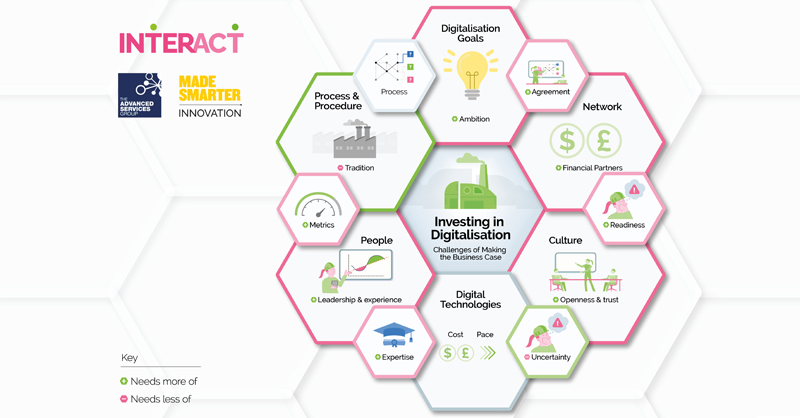
The competitiveness of industry in the UK is dependent on the rapidly growing digitalisation of manufacturers. Digitalisation provides the opportunity to drive the efficiency and innovativeness of manufacturers, and forms the basis for creating new business models. Yet, manufacturers are lagging in their investments into digitalisation and risk missing out on capturing the opportunities digitalisation offers. The below report, guide and video outline the specific challenges the manufacturing industry faces when making effective investments into digitalisation and identifies the key questions they should address to overcome them.

This research was conducted by Dr. Andreas Schroeder, Dr. Yang Zhao and Dr. Daniel Andrews (Aston University). This work was supported by the UKRI Made Smarter Innovation Challenge and the Economic and Social Research Council via InterAct [Grant Reference ES/W007231/1].

For further discussions or potential applications/collaborations, please contact Andreas Schroeder.

Categories
People Productivity Resilience Resources Sustainability

InterAct Conference 2023

Overview

As we embark on the next stage of our industrial evolution, digitalisation will shape the future of our economy, manufacturing ecosystem, and workplace. Digital technologies can enable us to create the future we want and move beyond consumption driven economic growth.

Our challenge is to create a digital manufacturing future that meets our net-zero ambitions, whilst being resilient and productive. Thus, ensuring that everyone has the things that they need, at a price that they can afford, without damaging the environment or society.

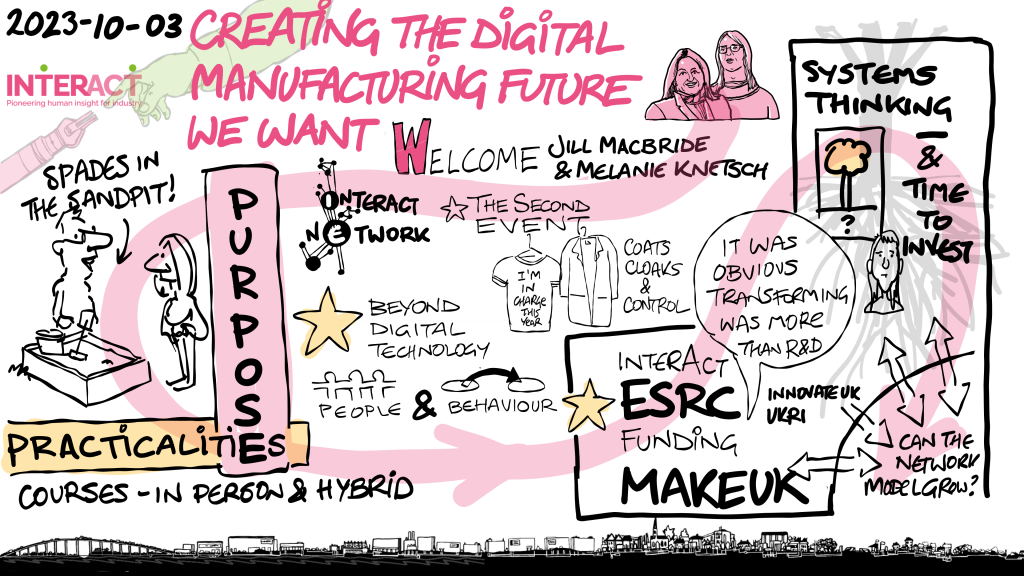
To create the digital manufacturing future we want, we first need to know how that can be achieved, we need to explore the possible and work together to realise these goals. In order to combine our expertise from the broadest range of perspectives around this common goal, we need to InterAct.

How did the InterAct conference benefit attendees?

  • Gaining actionable human insights into the future manufacturing environment.
  • Networking and building relationships with cross-sector experts interested in creating a positive, forward-thinking vision for UK industry.
  • Building narrative development skills to enhance the reach of messaging in the digital environment.
  • The opportunity to take part in a collaborative workshop on the theme ‘How do we create the digital manufacturing futures we want to see, together’.
  • Engagement with a panel of highly regarded speakers from the world of manufacturing, policy, and academia during an interactive Q&A session.

Speakers

We were delighted to welcome a roster of world-leading speakers, who shared unique insights and perspectives on their areas of expertise in relation to the theme of ‘Creating the digital manufacturing future we want’.

Our speakers were drawn from a wide range of backgrounds across industry, policy, think-tanks, and academia. Together they represent a diverse collection of voices that we want to draw into the wider conversation about what it will take to build a future that delivers for everyone.

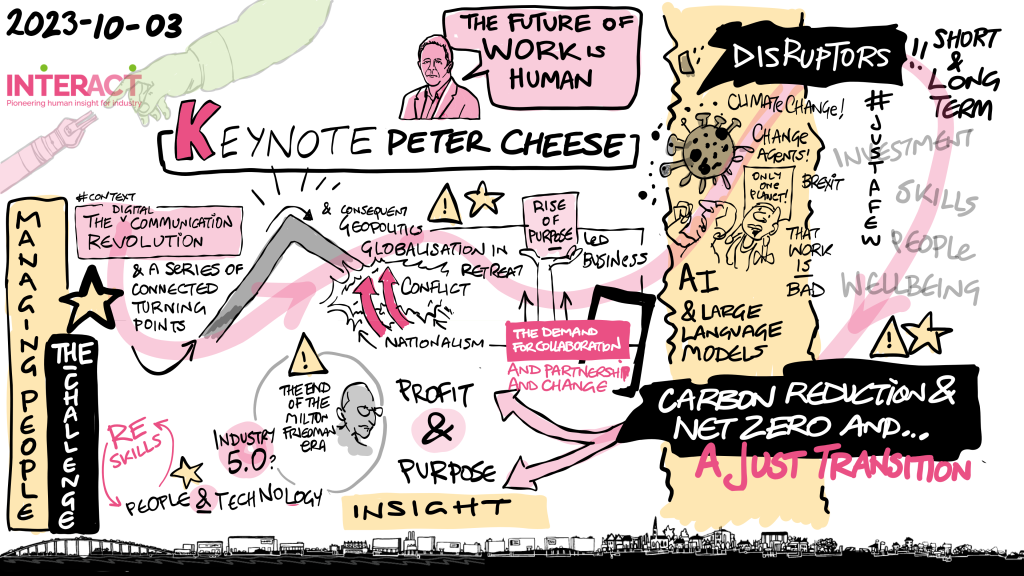
Peter Cheese

Keynote Speaker

Chief Executive – Chartered Institute of Personnel and Development (CIPD)

Peter is the CEO of the CIPD, the professional body for HR and People Development. Since January 2019, he has been co-chair of The Flexible Working Task Force, a partnership across government departments, business groups, trade unions and charities, to increase the uptake of flexible working. He is also Chair of Engage for Success and the What Works Centre for Wellbeing.

Peter writes and speaks widely on the development of HR, the future of work, and the key issues of leadership, culture and organisation, people and skills. In 2021, his second book ‘The New World of Work’ was published, exploring the many factors shaping work, workplaces, workforces and our working lives, and the principles around which we can build a future that is good for people, for business and for societies. 

Prior to joining the CIPD in 2012 Peter was Chair of the Institute of Leadership and Management, an Executive Fellow at London Business School, and held a number of Board level roles. He had a long career in consulting at Accenture working with organisations around the world, and in his last seven years there was Global Managing Director for the firm’s human capital and organisation consulting practice.

He is a Fellow of the CIPD, a Fellow of AHRI (the Australian HR Institute), the Royal Society of Arts, and the Academy of Social Sciences. He’s also a Companion of the Institute of Leadership and Management, the Chartered Management Institute, and the British Academy of Management. He holds honorary doctorates from Bath University, Kingston University and Birmingham City University, and is a Visiting Professor at Aston University.


Ben Armstrong

Keynote Speaker

Executive Director – Massachusetts Institute of Technology (MIT) – Industrial Performance Center

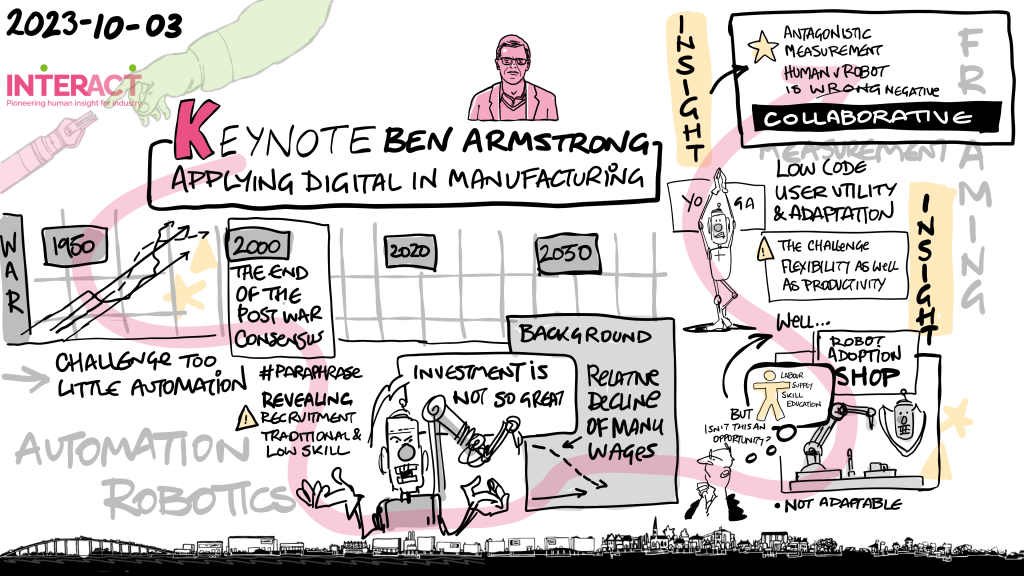
Ben Armstrong is the executive director and a research scientist at MIT’s Industrial Performance Center, where he co-leads the Work of the Future initiative. His research and teaching examine how workers, firms, and regions adapt to technological change. His current projects include a working group on generative AI and its impact on work, as well as a book on American manufacturing competitiveness. He received his PhD from MIT and formerly worked at Google Inc.


David Rea

Speaker – Future of the Economy

Chief Economist – JLL

David is Chief Economist EMEA at JLL, one of the world’s largest commercial real estate services companies. At JLL, David advises the firm’s leadership and its clients on how the economy is evolving and the impact it will have on real estate. Prior to JLL, David spent six years as Chief Economist at Jaguar Land Rover and also led the company’s work to prepare for Brexit. He has previously held other economist positions at Capital Economics, RBS, and the Bank of Sierra Leone.


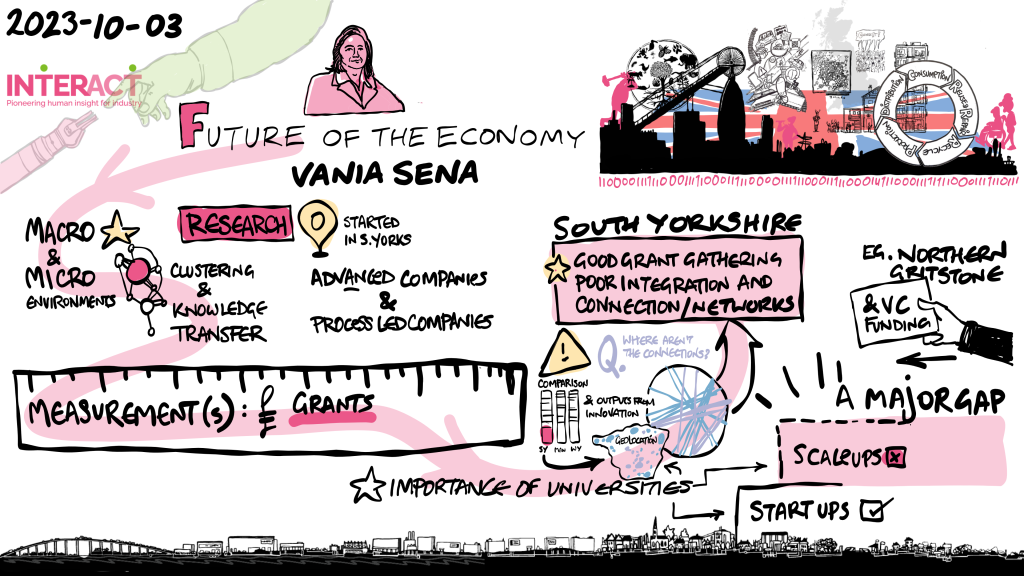
Professor Vania Sena

Speaker – Future of the Economy

InterAct Network – Future of the Economy: Principal Investigator
Chair in Entrepreneurship and Enterprise – University of Sheffield

Professor Sena’s first degree was awarded with laude by the University of Naples, Federico II, Naples, Italy; her postgraduate studies in Economics were carried out at the University of York, UK, where she was awarded both the MSc and the DPhil in Economics.

Her research focuses mainly on productivity growth, both at the micro and macro level with an emphasis on innovation, human capital and intellectual property. Her most recent research looks at the relationship among innovation activities,trade secrets and total factor productivity. She is a member of the Operational Society General Council and Board. She has been a visiting fellow at Harvard University, MA and at Rutgers University, NJ.

Vania is leading the InterAct workstream ‘The Future of the Economy’, which is examining the impact that the uptake of industrial digital technology in manufacturing will have on the wider economy and the implications of of this.


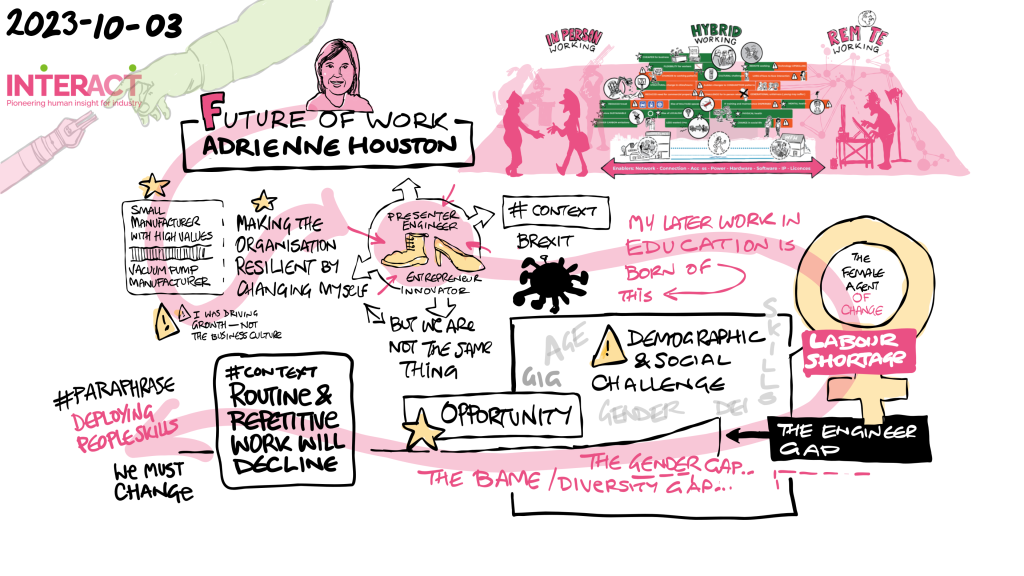
Dr. Adrienne Houston

Speaker – Future of Work

Company Director – Eurovacuum

Dr Adrienne Houston is Company Director at Eurovacuum Products Ltd. She is a Mechanical Engineering specialising in high vacuum and low pressure compressor systems and vacuum evaporator for the biogas, chemical and pharmaceutical industries.  

To complement her professional work, Adrienne is a keen promoter and champion of women in engineering, diversity and inclusion. In 2019 she was appointed by the Royal Academy of Engineering for the role of Diversity and Inclusion Visiting Professor at the University of Birmingham. She is a board member at the Research, Information and Knowledge committee at the Engineering Professors Council and Honorary Visiting Design Professor at the School of Engineering, University of Leicester. 


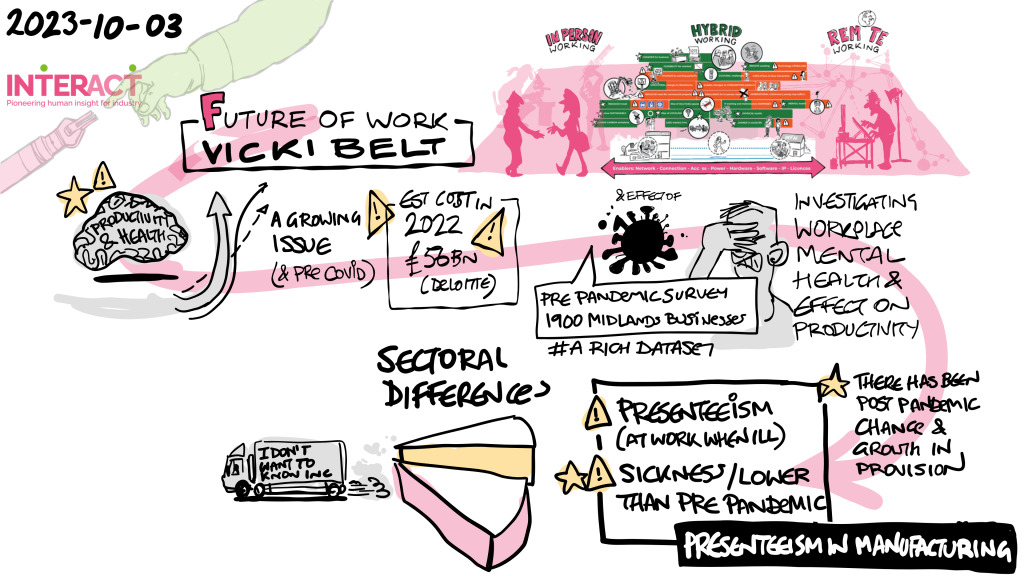
Professor Jillian MacBryde

Speaker – Future of Work

InterAct Network Co-director
Professor of Innovation and Operations Management – University of Strathclyde

Jill MacBryde is Professor of Innovation and Operations Management at Strathclyde University where she is also Director of the Hunter Centre for Entrepreneurship. Jill is Co-Director of the ESRC Made Smarter Network Plus, InterAct network, which aims to bring insights from the social sciences to support the innovation and diffusion of digital technologies that will result in a stronger, more resilient, manufacturing base.

The theme throughout Jill’s work is operations management in changing environments and her current research projects include productivity in manufacturing, the impact of Covid on UK manufacturing, and the future of manufacturing work. Jill also works with policy makers and the public sector. She is currently a member of the Innovate UK/ESRC Innovation Caucus and a member of the Innovate UK Future Flight Advisory Board.


Matt Tootle

Speaker – Future of Digital Manufacturing Ecosystems

Senior Business Analyst – Aerogility

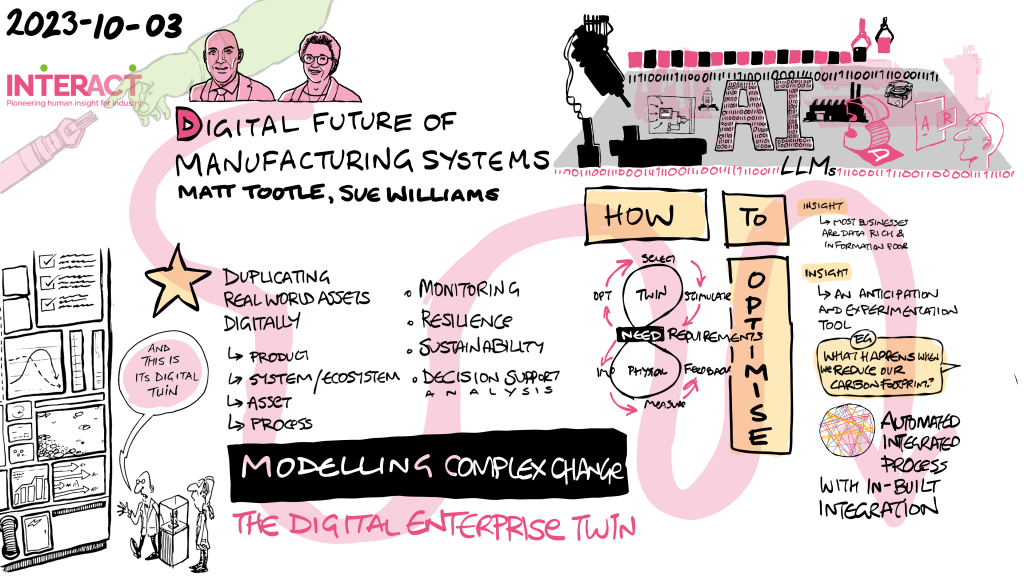
Matt is an energetic and passionate leader who joined Aerogility with over 16 years’ experience in defence aerospace, primarily within support engineering and manufacturing. Matt’s specialisms include capturing and shaping complex customer requirements, designing and developing deliverable solutions and translating technical problems to non-technical individuals. Matt has extensive experience working with international customers and colleagues to deliver value to their operations. Matt’s current role sees him working across a variety of sectors to deliver innovative, model-based AI solutions to enable customers to better operate, sustain and optimise platforms, services and infrastructure.


Sue Williams

Speaker – Future of Digital Manufacturing Ecosystems

Managing Director – Hexagon Consultants

Sue Williams is a strategic and focused Supply Chain Director with over 25 years’ experience in multiple industries including automotive, aerospace, defence and FMEG as well as aftermarket and aftercare support.  Sue’s specialisms include supply chain design and modelling, inventory planning, demand management, S&OP and supply planning.  Sue has worked with organisations such as Jaguar Land Rover, Dyson, GKN and Meggitt among others, to deliver sustainable, high value change to their supply chains.  Sue was also the Head of Supply Chain for the Vaccine Taskforce, responsible for supply chain risk and resilience and the inbound modelling and planning for the vaccine supply.


Martin Bach

Speaker – Future of Digital Manufacturing Ecosystems

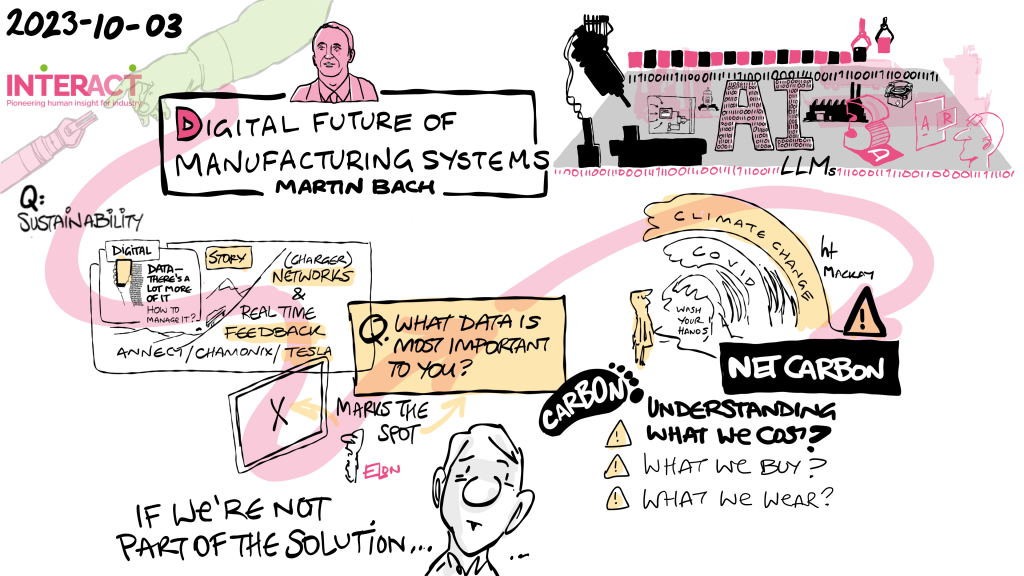
Martin Bach’s background is in process engineering and manufacturing management.  He has extensive business management experience in the UK, Europe and the US, running a wide range of businesses in the automotive and industrial sectors.  Most recently he was Managing Director of Cooksongold, the UK’s leading supplier of jewellery making materials and products.


Professor Janet Godsell

Speaker – Future of Digital Manufacturing Ecosystems

InterAct Network Co-director
Dean of Loughborough Business SchoolLoughborough University

Jan Godsell is Dean of Loughborough Business School and Professor of Operations and Supply Chain Strategy at Loughborough University. Her work focuses on the pursuit of more responsible consumption and production through the alignment of product, marketing, and supply chain strategy with consumer needs. Jan’s work focuses on the design of end-to-end supply chains to enable, responsibility, sustainability, resilience and productivity.

Jan is the workstream lead for ‘The Future of Digital Manufacturing Ecosystems’. This will examine how to develop more sustainable manufacturing business models, supply chains, and the role of innovative digital technologies (IDTs) in facilitating this shift.


Ved Sen

Keynote speaker

Head of Business Innovation – Tata Consultancy Services (TCS) UK

Ved is passionate about the impact of technology on business, culture, and society. He enjoys speaking and writing about technology and the future. He writes a weekly innovation newsletter, and is a regular speaker at industry forums. He has been a guest lecturer at the HSE Ireland Masters in Digital Healthcare Programme in Dublin for the past 3 years, and a regular speaker on AI and future systems.

Ved works as the Head of Business Innovation for Tata Consultancy Services UK. His primary focus is to help drive future thinking conversations with clients in solving tomorrow’s problems. He has been working with and advising senior clients across retail, travel, education, healthcare, financial services, public sector, and other businesses. Ved runs an innovation team in London and is leading the design and set up of Pace Port London. Currently his work spans areas such as reinventing social care for the elderly, connected homes and environments, and urban mobility, Generative AI, and more. Over the past 20+ years, Ved has been working on emerging technologies, and their adoption into organisations. An avid writer and regular speaker, Ved’s book “Doing Digital” was released in January 2023, and he writes a regular innovation newsletter.  


Fhaheen Khan

Panellist

Senior Economist – Make UK

Fhaheen Khan is a Senior Economist at Make UK, the manufactures organisation. His role primarily focusses on monitoring and evaluating the economic performance of manufacturers, which is published in a quarterly outlook report. In addition, Fhaheen’s role covers a myriad of topics relevant to manufacturing to advise Government bodies to develop policy with a focus on tax, investment and the business environment and is a regular commentator on public statistics.


Ben Farmer

Panellist

Deputy Director – Made Smarter Innovation Challenge

Ben is the Deputy Director of the Innovate UK-led £300 million Made Smarter Innovation Challenge; a collaboration between UK government and industry designed to support the development and novel application of industrial digital technologies.

Prior to this, Ben held positions at HiETA Technologies, Airbus Group, University of Bath and Cobham. He is also founder of Added Lightness, a technology strategy consulting business, and Atherton Bikes, which brings together multiple-world champion and world cup winning athletes with the latest composite and additive manufacturing technologies.

Ben holds a degree in Materials Science and Engineering and an MBA from the University of Bath, a PhD in Materials Science and Metallurgy from the University of Cambridge and is a Chartered Engineer.

Categories
Resilience Resources Sustainability

EU battery regulations 2023: UK readiness for battery passports and smart labelling

Research overview

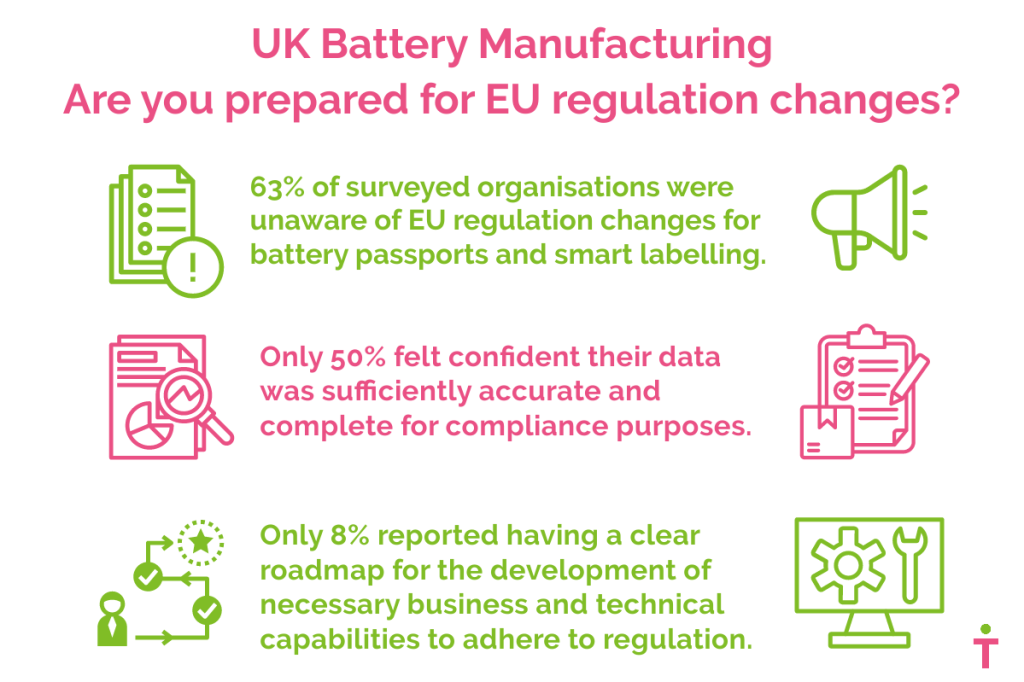
With the enactment of the new EU Battery Regulations, organisations are required to embrace Battery Passports and Smart Labelling, enabling transparency and sustainability in battery production and consumption. Recent research from InterAct funded researchers, however, highlights critical gaps in awareness, information availability, and operational readiness faced by UK organisations in aligning with these legislative changes. 
 
A representative survey was conducted to gauge the awareness and preparedness of 80 organisations in regard to the new EU Battery Regulations. An Industry-Academic round table discussion and follow-up interviews were then held to reflect on the implications for industry.  The results can be downloaded in the two reports below.

This research was conducted by Dr. Melanie King and Paul Timms (Loughborough University). This work was supported by the UKRI Made Smarter Innovation Challenge and the Economic and Social Research Council via InterAct [Grant Reference ES/W007231/1].

For further discussions or potential applications/collaborations, please contact Melanie King.

Categories
Resources

Delivering the digital future we want, together

Overview

On Thursday 8th June, InterAct Co-director, Professor Janet Godsell delivered a talk on the progress of the Future of Digital Manufacturing Ecosystems workstream to an audience at the Smart Factory Expo in the NEC, Birmingham.

In her talk, Professor Godsell addressed the need for self-sufficiency in critical production, lessons from the manufacturing past and the work of the Future of Digital Manufacturing Ecosystems team on analysing scenarios for the future.

Categories
InterAct Blog

Future workforces: job quality & perceptions of UK manufacturing

Has the impact of the global pandemic and spiralling household living costs changed what people in the UK value in jobs? If so, what factors are important for people looking at jobs in 2023 and what are the implications of this for UK manufacturers?

As part of the recent InterAct Making Things Work Survey , we asked people what things they would look for in a new job. We found that the top five reasons are an interesting mix of the usual economic and non-economic (i.e. the quality of work settings) suspects. Our top 5 job choice factors are: pay and benefits; well-being and flexibility; clean and safe work settings; contractual security and stability; and having an employer who listens and values people’s opinions (voice).

The prominence of these five job quality factors is probably not surprising. Apart from the legion of Health & Safety sceptics on social media, what manufacturing workforce wouldn’t prioritize a safe and clean working environment? What is surprising is that both pay and wellbeing are rated equally highly by our sample because in survey questions of this type, pay is usually out on its own as the main reason for job choice. This makes perfect sense for those of us who don’t live to work, or who aren’t strongly morally and vocationally wedded to our labour or employer. The importance of pay and reward and these other job quality factors should never be understated: especially in competitive labour markets with shortages of people and skills.

All of these top five factors play very nicely into wider debates about job quality and what we mean by ‘good jobs’. For manufacturers, understanding what people value in jobs and tailoring the recruitment messaging towards this should keep you up and running with the talent war pack. Good jobs are essential for successful recruitment and retention. As every decent manufacturing employer knows, if people’s working needs are being supported, the better the chances are that you’ll get the talent you need for the business, be more able to keep your ‘key’ people and get performance and productivity benefits over the longer term: ‘happy people, happy customers, better productivity.

In our sample, there wasn’t too much statistical distance between the top five factors. The relative prominence of wellbeing is interesting. Although wellbeing always been a central topic in conversations about job quality, the pandemic shone a unique spotlight on health at work. Wellbeing issues have come a long way from the days when it was mainly about masking or softly managing people’s problems, or just tackled by asking people to try whistling a happy tune.

Part of our new normal seems to be having a reset on long hours culture and achieving more work-life balance. The pandemic also showed us that discussing different ways of working was not only possible but operationally practical (especially non-production staff) in manufacturing businesses, though this remains a work in progress for production staff. Take a brief look across many manufacturers’ websites today and you’ll see that most companies do explain how they support people’s wellbeing.

We know about job quality, but what are people’s perceptions about what manufacturing jobs offer? We are only at a very early stage of survey analysis and getting under the skin of the topline figures, however we can examine pay as an example.

Unfortunately, for UK manufacturers, the great British public are telling a familiar tale. The good news is that most people think that manufacturing jobs offer comparable levels of pay and benefits to those in other industries. The less great news, however, is that there are just as many who are sceptical or unsure about relative pay rates in the sector.

These figures look consistent with what we know from the past about public perceptions of manufacturing jobs in the UK and the US: that while the sector objectively pays people comparable or higher than average levels of pay, this reality doesn’t carry through into public opinion . In other words, there still seems to be a reasonable gap between what most people would want in a job and what most people think is on offer in manufacturing. This latter point also seems to hold true across all of the top five job quality factors that we outlined at the start.

Therefore, an early message from our survey may be that many people are largely uncertain about the quality manufacturers are offering in terms of jobs: a persistent perception that will influence the attractiveness of jobs in the sector. Going forward it may require more focused attention from employers, industry shakers and policy makers if they want to remake the image of jobs in the sector.

Read the first entry in the the ‘future workforces’ series: ‘advanced manufacturing & Generation Z’.