Categories
People Resilience Resources

RESTRAIN: Socio-cultuRal bEhaviour of end-uSers To specific cybeR-threAts In maNufacturing

Research overview

The manufacturing sector is a vital component of most economies, which leads to many cyberattacks on organisations, whereas disruption in operation may lead to significant economic consequences. Adversaries aim to disrupt the production processes of manufacturing companies, gain financial advantages, and steal intellectual property by getting unauthorised access to sensitive data.

Access to sensitive data helps organisations to enhance the production and management processes. However, majority of the existing data-sharing mechanisms are either susceptible to different cyber-attacks or heavy in terms of computation overhead.

This project worked with manufacturing industry representatives, digital technology providers and cyber-resilience centres across the country to develop ways to manage behavioural change to ensure cybersecurity improvements, whilst using psychological models to plan new ways to adapt to these changes.

Digital cyber security tool

Arising from the results of this research, the team has developed a free to use online cyber security tool which allows you to assess the cyber-security readiness of your organisation to understand what areas require your attention. This valuable tool offers manufacturers the chance to effectively examine their own cyber security preparedness and enable the safe implementation of new digital technology into their workplace.

Conference paper – Local Differential Privacy-Based Data-Sharing Scheme for Smart Utilities

In the team’s conference paper, a privacy-preserving data-sharing scheme for smart utilities is proposed. First, a customer’s privacy adjustment mechanism is proposed to make sure that end-users have control over their privacy, which is required by the latest government regulations, such as the General Data Protection Regulation.

Secondly, a local differential privacy-based mechanism is proposed to ensure privacy of the end-users by hiding real data based on the end-user preferences. The proposed scheme may be applied for different industrial control systems, whereas in this study, it is validated for energy utility use case consisting of smart intelligent devices. The results show that the proposed scheme may guarantee the required level of privacy with an expected relative error in utility.

This work was carried out by Dr. Bruno Bogaz Zarpelao (State University of Londrina, Brazil), Veniamin Boiarkin, Professor Muttukrishnan Rajarajan, Professor Rajkumar Roy and Professor Katy Tapper (City, University of London, United Kingdom). This work was supported by the UKRI Made Smarter Innovation Challenge and the Economic and Social Research Council via InterAct [Grant Reference ES/W007231/1].

For further discussions or potential applications/collaborations, please contact Muttukrishnan Rajarajan.

Categories
People Productivity Resilience Resources Sustainability

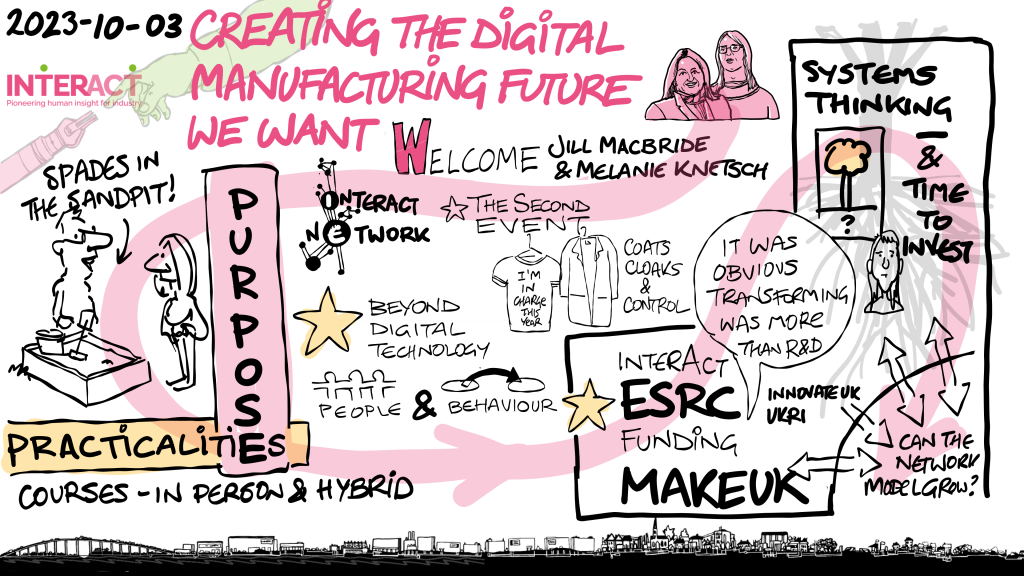
InterAct Conference 2023

Overview

As we embark on the next stage of our industrial evolution, digitalisation will shape the future of our economy, manufacturing ecosystem, and workplace. Digital technologies can enable us to create the future we want and move beyond consumption driven economic growth.

Our challenge is to create a digital manufacturing future that meets our net-zero ambitions, whilst being resilient and productive. Thus, ensuring that everyone has the things that they need, at a price that they can afford, without damaging the environment or society.

To create the digital manufacturing future we want, we first need to know how that can be achieved, we need to explore the possible and work together to realise these goals. In order to combine our expertise from the broadest range of perspectives around this common goal, we need to InterAct.

How did the InterAct conference benefit attendees?

  • Gaining actionable human insights into the future manufacturing environment.
  • Networking and building relationships with cross-sector experts interested in creating a positive, forward-thinking vision for UK industry.
  • Building narrative development skills to enhance the reach of messaging in the digital environment.
  • The opportunity to take part in a collaborative workshop on the theme ‘How do we create the digital manufacturing futures we want to see, together’.
  • Engagement with a panel of highly regarded speakers from the world of manufacturing, policy, and academia during an interactive Q&A session.

Speakers

We were delighted to welcome a roster of world-leading speakers, who shared unique insights and perspectives on their areas of expertise in relation to the theme of ‘Creating the digital manufacturing future we want’.

Our speakers were drawn from a wide range of backgrounds across industry, policy, think-tanks, and academia. Together they represent a diverse collection of voices that we want to draw into the wider conversation about what it will take to build a future that delivers for everyone.

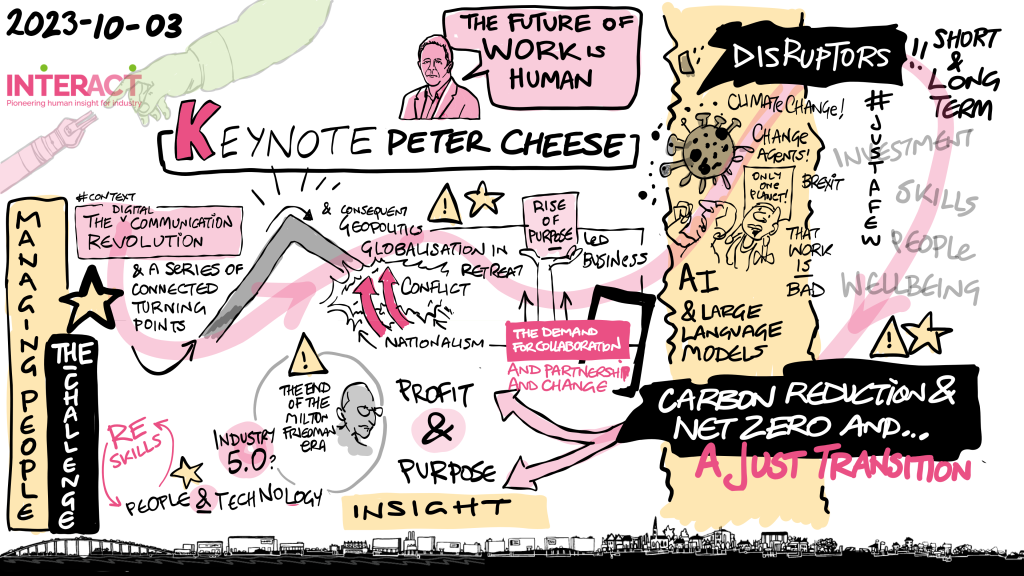
Peter Cheese

Keynote Speaker

Chief Executive – Chartered Institute of Personnel and Development (CIPD)

Peter is the CEO of the CIPD, the professional body for HR and People Development. Since January 2019, he has been co-chair of The Flexible Working Task Force, a partnership across government departments, business groups, trade unions and charities, to increase the uptake of flexible working. He is also Chair of Engage for Success and the What Works Centre for Wellbeing.

Peter writes and speaks widely on the development of HR, the future of work, and the key issues of leadership, culture and organisation, people and skills. In 2021, his second book ‘The New World of Work’ was published, exploring the many factors shaping work, workplaces, workforces and our working lives, and the principles around which we can build a future that is good for people, for business and for societies. 

Prior to joining the CIPD in 2012 Peter was Chair of the Institute of Leadership and Management, an Executive Fellow at London Business School, and held a number of Board level roles. He had a long career in consulting at Accenture working with organisations around the world, and in his last seven years there was Global Managing Director for the firm’s human capital and organisation consulting practice.

He is a Fellow of the CIPD, a Fellow of AHRI (the Australian HR Institute), the Royal Society of Arts, and the Academy of Social Sciences. He’s also a Companion of the Institute of Leadership and Management, the Chartered Management Institute, and the British Academy of Management. He holds honorary doctorates from Bath University, Kingston University and Birmingham City University, and is a Visiting Professor at Aston University.


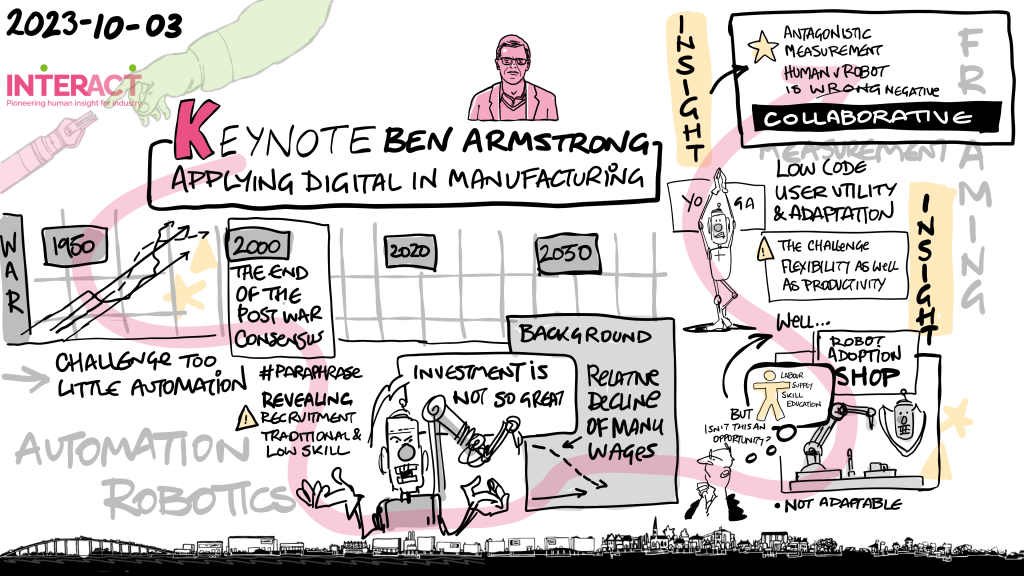
Ben Armstrong

Keynote Speaker

Executive Director – Massachusetts Institute of Technology (MIT) – Industrial Performance Center

Ben Armstrong is the executive director and a research scientist at MIT’s Industrial Performance Center, where he co-leads the Work of the Future initiative. His research and teaching examine how workers, firms, and regions adapt to technological change. His current projects include a working group on generative AI and its impact on work, as well as a book on American manufacturing competitiveness. He received his PhD from MIT and formerly worked at Google Inc.


David Rea

Speaker – Future of the Economy

Chief Economist – JLL

David is Chief Economist EMEA at JLL, one of the world’s largest commercial real estate services companies. At JLL, David advises the firm’s leadership and its clients on how the economy is evolving and the impact it will have on real estate. Prior to JLL, David spent six years as Chief Economist at Jaguar Land Rover and also led the company’s work to prepare for Brexit. He has previously held other economist positions at Capital Economics, RBS, and the Bank of Sierra Leone.


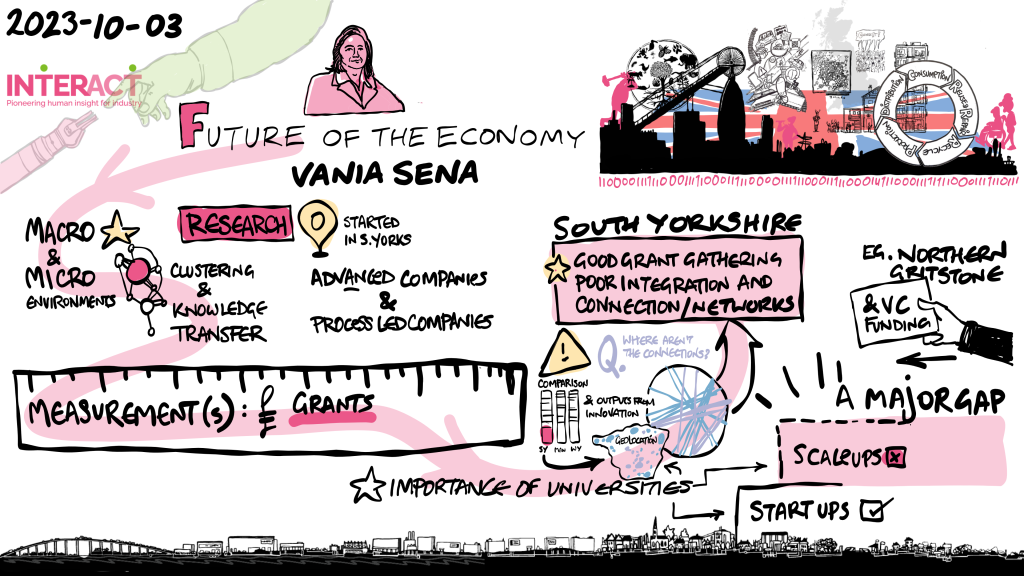
Professor Vania Sena

Speaker – Future of the Economy

InterAct Network – Future of the Economy: Principal Investigator
Chair in Entrepreneurship and Enterprise – University of Sheffield

Professor Sena’s first degree was awarded with laude by the University of Naples, Federico II, Naples, Italy; her postgraduate studies in Economics were carried out at the University of York, UK, where she was awarded both the MSc and the DPhil in Economics.

Her research focuses mainly on productivity growth, both at the micro and macro level with an emphasis on innovation, human capital and intellectual property. Her most recent research looks at the relationship among innovation activities,trade secrets and total factor productivity. She is a member of the Operational Society General Council and Board. She has been a visiting fellow at Harvard University, MA and at Rutgers University, NJ.

Vania is leading the InterAct workstream ‘The Future of the Economy’, which is examining the impact that the uptake of industrial digital technology in manufacturing will have on the wider economy and the implications of of this.


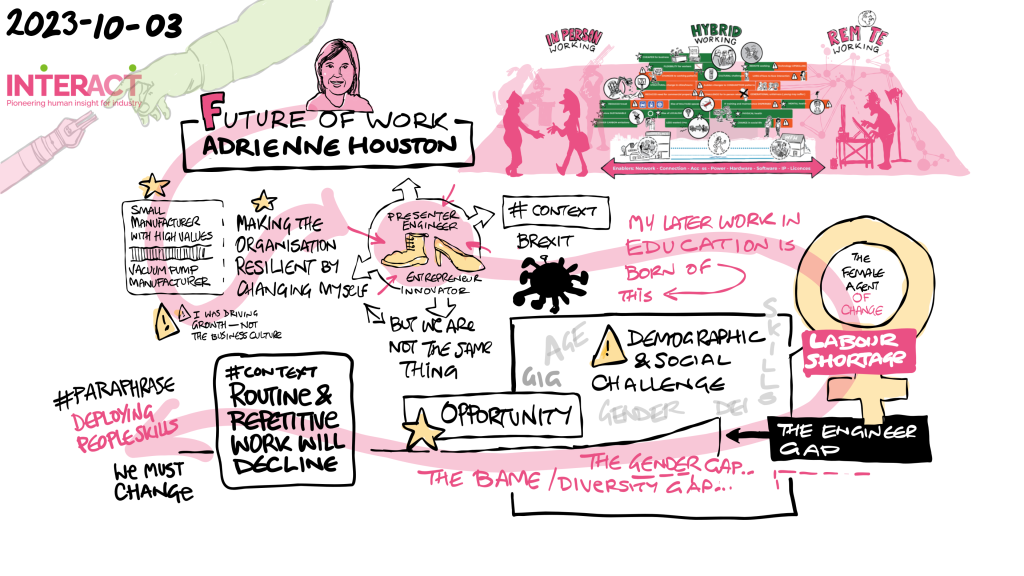
Dr. Adrienne Houston

Speaker – Future of Work

Company Director – Eurovacuum

Dr Adrienne Houston is Company Director at Eurovacuum Products Ltd. She is a Mechanical Engineering specialising in high vacuum and low pressure compressor systems and vacuum evaporator for the biogas, chemical and pharmaceutical industries.  

To complement her professional work, Adrienne is a keen promoter and champion of women in engineering, diversity and inclusion. In 2019 she was appointed by the Royal Academy of Engineering for the role of Diversity and Inclusion Visiting Professor at the University of Birmingham. She is a board member at the Research, Information and Knowledge committee at the Engineering Professors Council and Honorary Visiting Design Professor at the School of Engineering, University of Leicester. 


Professor Jillian MacBryde

Speaker – Future of Work

InterAct Network Co-director
Professor of Innovation and Operations Management – University of Strathclyde

Jill MacBryde is Professor of Innovation and Operations Management at Strathclyde University where she is also Director of the Hunter Centre for Entrepreneurship. Jill is Co-Director of the ESRC Made Smarter Network Plus, InterAct network, which aims to bring insights from the social sciences to support the innovation and diffusion of digital technologies that will result in a stronger, more resilient, manufacturing base.

The theme throughout Jill’s work is operations management in changing environments and her current research projects include productivity in manufacturing, the impact of Covid on UK manufacturing, and the future of manufacturing work. Jill also works with policy makers and the public sector. She is currently a member of the Innovate UK/ESRC Innovation Caucus and a member of the Innovate UK Future Flight Advisory Board.


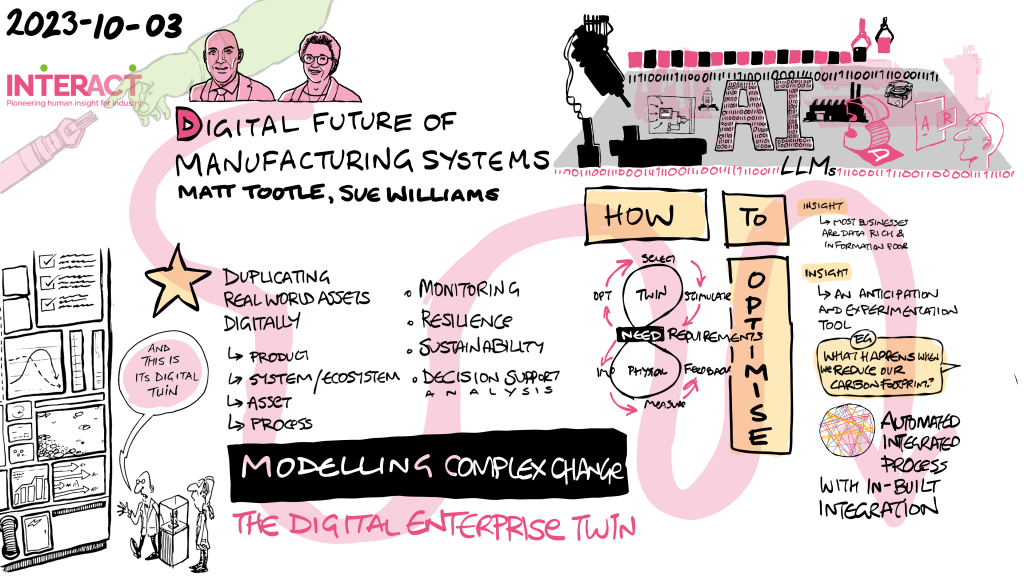
Matt Tootle

Speaker – Future of Digital Manufacturing Ecosystems

Senior Business Analyst – Aerogility

Matt is an energetic and passionate leader who joined Aerogility with over 16 years’ experience in defence aerospace, primarily within support engineering and manufacturing. Matt’s specialisms include capturing and shaping complex customer requirements, designing and developing deliverable solutions and translating technical problems to non-technical individuals. Matt has extensive experience working with international customers and colleagues to deliver value to their operations. Matt’s current role sees him working across a variety of sectors to deliver innovative, model-based AI solutions to enable customers to better operate, sustain and optimise platforms, services and infrastructure.


Sue Williams

Speaker – Future of Digital Manufacturing Ecosystems

Managing Director – Hexagon Consultants

Sue Williams is a strategic and focused Supply Chain Director with over 25 years’ experience in multiple industries including automotive, aerospace, defence and FMEG as well as aftermarket and aftercare support.  Sue’s specialisms include supply chain design and modelling, inventory planning, demand management, S&OP and supply planning.  Sue has worked with organisations such as Jaguar Land Rover, Dyson, GKN and Meggitt among others, to deliver sustainable, high value change to their supply chains.  Sue was also the Head of Supply Chain for the Vaccine Taskforce, responsible for supply chain risk and resilience and the inbound modelling and planning for the vaccine supply.


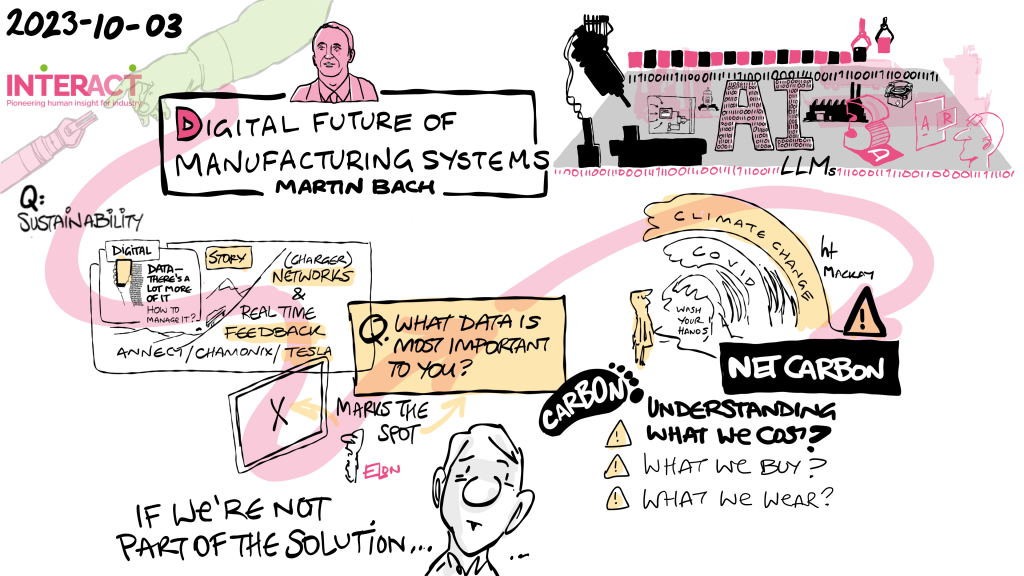
Martin Bach

Speaker – Future of Digital Manufacturing Ecosystems

Martin Bach’s background is in process engineering and manufacturing management.  He has extensive business management experience in the UK, Europe and the US, running a wide range of businesses in the automotive and industrial sectors.  Most recently he was Managing Director of Cooksongold, the UK’s leading supplier of jewellery making materials and products.


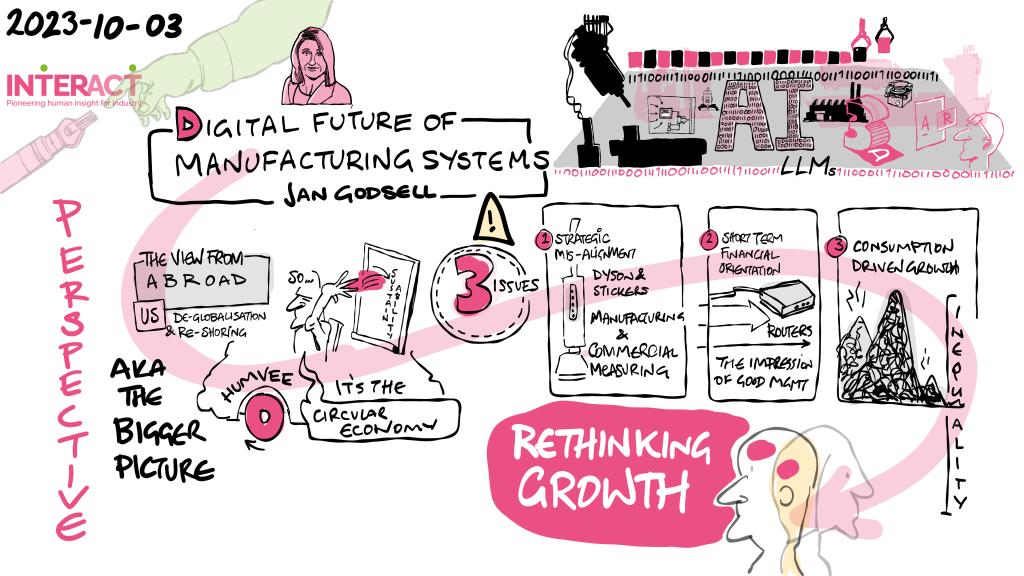
Professor Janet Godsell

Speaker – Future of Digital Manufacturing Ecosystems

InterAct Network Co-director
Dean of Loughborough Business SchoolLoughborough University

Jan Godsell is Dean of Loughborough Business School and Professor of Operations and Supply Chain Strategy at Loughborough University. Her work focuses on the pursuit of more responsible consumption and production through the alignment of product, marketing, and supply chain strategy with consumer needs. Jan’s work focuses on the design of end-to-end supply chains to enable, responsibility, sustainability, resilience and productivity.

Jan is the workstream lead for ‘The Future of Digital Manufacturing Ecosystems’. This will examine how to develop more sustainable manufacturing business models, supply chains, and the role of innovative digital technologies (IDTs) in facilitating this shift.


Ved Sen

Keynote speaker

Head of Business Innovation – Tata Consultancy Services (TCS) UK

Ved is passionate about the impact of technology on business, culture, and society. He enjoys speaking and writing about technology and the future. He writes a weekly innovation newsletter, and is a regular speaker at industry forums. He has been a guest lecturer at the HSE Ireland Masters in Digital Healthcare Programme in Dublin for the past 3 years, and a regular speaker on AI and future systems.

Ved works as the Head of Business Innovation for Tata Consultancy Services UK. His primary focus is to help drive future thinking conversations with clients in solving tomorrow’s problems. He has been working with and advising senior clients across retail, travel, education, healthcare, financial services, public sector, and other businesses. Ved runs an innovation team in London and is leading the design and set up of Pace Port London. Currently his work spans areas such as reinventing social care for the elderly, connected homes and environments, and urban mobility, Generative AI, and more. Over the past 20+ years, Ved has been working on emerging technologies, and their adoption into organisations. An avid writer and regular speaker, Ved’s book “Doing Digital” was released in January 2023, and he writes a regular innovation newsletter.  


Fhaheen Khan

Panellist

Senior Economist – Make UK

Fhaheen Khan is a Senior Economist at Make UK, the manufactures organisation. His role primarily focusses on monitoring and evaluating the economic performance of manufacturers, which is published in a quarterly outlook report. In addition, Fhaheen’s role covers a myriad of topics relevant to manufacturing to advise Government bodies to develop policy with a focus on tax, investment and the business environment and is a regular commentator on public statistics.


Ben Farmer

Panellist

Deputy Director – Made Smarter Innovation Challenge

Ben is the Deputy Director of the Innovate UK-led £300 million Made Smarter Innovation Challenge; a collaboration between UK government and industry designed to support the development and novel application of industrial digital technologies.

Prior to this, Ben held positions at HiETA Technologies, Airbus Group, University of Bath and Cobham. He is also founder of Added Lightness, a technology strategy consulting business, and Atherton Bikes, which brings together multiple-world champion and world cup winning athletes with the latest composite and additive manufacturing technologies.

Ben holds a degree in Materials Science and Engineering and an MBA from the University of Bath, a PhD in Materials Science and Metallurgy from the University of Cambridge and is a Chartered Engineer.

Categories
People Productivity Resilience Resources Sustainability

Future of Digital Manufacturing Ecosystems – 2040 scenarios

Research overview

Disruption, digital innovation, new business models… the world of manufacturing is changing rapidly, perhaps faster than ever before. To adapt and survive, businesses must anticipate changes, identify opportunities and make informed decisions.
 
So, how can you be ready for the changes that lie ahead? How can you pivot to be equally productive and sustainable, delivering progress with purpose?
 
The InterAct Future of Digital Manufacturing Ecosystems research team has put together a vital report that brings you the information you need, at your fingertips, outlining potential future scenarios and the associated opportunities for the manufacturing world.
 
Future of Digital Marketing Ecosystems – 2040 Scenarios

These scenarios map out four potential alternatives for the digital manufacturers of tomorrow, including:

  • Productivity Powerhouse
  • Flexibility as Standard
  • Sustainability Champion
  • Happy and Sustainable Workforce

Download the report to find out more about how the most useful measure of sustainable progress is total factor productivity, which accounts for inputs beyond labour – such as materials, energy and administrative time – to compare them against total outputs. You will also learn how these inputs can be measured against one another, and how businesses can begin working towards achieving them.

As the report shows, by considering the human factors behind digitalisation today, you’ll be much better placed to build true resilience into your business tomorrow.

This research was conducted by Dr. Wanrong Zhang, Professor Janet Godsell and Dr. Kamran Chatha (Loughborough University). This work was supported by the UKRI Made Smarter Innovation Challenge and the Economic and Social Research Council via InterAct [Grant Reference ES/W007231/1].

For further discussions or potential applications/collaborations, please contact Jan Godsell.

Categories
InterAct Blog

The three pillars of technology adoption in the agri-food industry: provision, people and practicality

There are terms we hear constantly in the agriculture and food sectors right now – industry 4.0, smart processes, robotic automation, Internet of Things (IoT) and Artificial Intelligence (AI) are all common buzzwords. However, while understanding the benefits of these formative ideas is relatively straightforward, putting them into practice relies on the collection, utilisation and analysis of data – data that needs to be digitally available to make this possible.

Adopting solutions that drive forward these tech advancements offers great potential in leveraging growth and productivity, but there is one sticking point. The UK agri-food industry is notoriously slow in adopting new technologies.

Of course, extraordinary events such as the Covid-19 pandemic, have accelerated the adoption of some digital technologies out of necessity, but the overall feeling has traditionally been one of reluctance, with various contributory factors including cost, resource, and general attitudes.

How to convince the sector to embrace change

There are three pillars that need to be considered to provide agri-food businesses with the confidence to adopt technology: provision, people, and practicality. These will in turn enable businesses to access the benefits that digitisation and data connectedness will bring. Let’s break them down one at a time.

Provision

It’s not that technologies haven’t been developed and tested – they have. It’s that less attention has been paid to actually provisioning tech specifically for the agri-food industry. Often technologies that make their way into the agri-food sector have been developed with a use case or other industry in mind. Only after this is the potential for it to be applied within agri-food production and/or manufacturing recognised.

Look at blockchain – its origins are in fintech, designed to trade digital currency bitcoin without the need for a trusted authority such as a bank. But repurpose this technology into the agri-food space, where it was pivoted to be an emerging technology to disincentivise and prevent fraud, and it’s clear it isn’t completely fit for purpose in its legacy form.

Why? Because the decentralised nature of blockchain means that using a typical payment model based on the number of transactions, where there are many transactions, is just not possible in a high volume/low margin sector like agri-food. So, in reality it, is just too costly to roll out. An obvious takeaway here is that if technologies are to be adapted and provisioned with the agri-food sector in mind, then it is vital that the technology providers have an in-depth knowledge of the agri-food sector.

People

It isn’t just provisioning where technology adoption currently falters. We need to shine a spotlight on how we get people to buy in. The breakdown here might not be where you think. While the benefit technology can bring to businesses is often understood on a macro level within the food industry, particularly by those in thought leadership positions, it is the onboarding of this technology’s main users that has proved more difficult.

This is not generally due to the people, but because of the change it involves. The benefits of this new way of working are not always immediately or overtly obvious to users. In fact, as a technology provider, I am often met with statements of resistance, such as: “because this is the way it has always been done”. However, this struggle to accept new technologies is often associated with a fear of change and being replaced by machines. That’s why it is so important that technology providers acknowledge these concerns and take them into consideration, reassuring users of the benefits during implementation.

Practicality

Addressing the practical aspects of a digital way of working within agri-food is the final part of making technology adoption more accessible. The responsibility here lies with the tech providers.

The processes, changes, and practical steps required to implement a new tech into a business are often confused and even misunderstood, even by the technology companies themselves.

In general, the agri-food sector operates on a high-volume low-margin model, meaning that processes are tightly refined and controlled. The industry has worked hard over the last 20+ years to bring about operational efficiencies through automation, so that cost savings or profitability can be achieved.

During this period there has been less of a focus on digitising data and the value it could bring through actionable insights. When disruptive technologies enter this process, they need to do so with ease and not impact operations or processes. In addition, they need to add value rather than create costs for businesses. Furthermore, these technologies need to be able to cope with the intricacies and nuances that exist in the production and manufacturing environments. Put simply, sometimes technology will not be plug and play – especially in its infancy. 

The outcome here is that the inherent benefits of digitisation are not immediately obvious, as they would be with operation efficiency gains. It is critical that technology providers take the time to understand the specific business where they are attempting to implement technologies and provide solutions that will support and enhance the business.

The sector, the business & the people

Ultimately, an understanding of the many aspects of the agri-food sector is critical for technology providers. Without a clear view of not just the supplier-customer relationships and their dynamics, but also the supply chain, with its global complexity and fragmented nature, and the many actors involved in the supply chain, there are sure to be issues. A grasp of all these issues assures an appreciation of the intricacies involved in technology adoption in this sector. It also ensures that technology providers can recognise any stumbling blocks ahead, while partnership with customers enables the provision of technology that is fit for purpose.

As a technology provider, Foods Connected works specifically on implementing digital solutions with Food Business Operators. The implementation of these solutions in various environments requires knowledge and understanding of how each business operates, accompanied by knowledge about the wider complexities of the sector in general. That’s why our teams have all worked in the industry and understand the intricacies of each step of the supply chain process. Our people are experts – and that’s what we need to take technology adoption forward in the agri-food industry.

After all, technology adoption and implementation are inherently coupled with people – and one cannot exist without the other.

Want to learn more about digitalisation in the agri-food industry? Watch our recorded InterAct x Foods Connected webinar: Overcoming barriers to digitalisation: adding value in the agri-food sector
About the author

Stephanie is a Senior Implementation Manager at Foods Connected. With 11 years’ experience in academia, food manufacturing and food-tech and an undergraduate degree in Food Science and a PhD in Food Supply Chain Management, Stephanie has spent her career working in food manufacturing environments in a R&D capacity, as well as working on and managing several multi million pound research projects while working for Queen’s University Belfast. Stephanie has worked with Foods Connected for the last 2.5 years, implementing, managing and delivering successful digital transformation projects within the food industry.

Categories
InterAct Blog

How can we attract the next generation of young talent into UK digital manufacturing careers by 2040?

Our exciting new project aims to develop a strategy to inform the rebranding of UK digital manufacturing to attract the next generation of talent into UK digital manufacturing careers by 2040.

In May 2023, the team members met at an InterAct research sandpit hosted by Loughborough University, which was held with the aim of developing research projects to accelerate the innovation and diffusion of Industrial Digital Technologies in UK manufacturing.

During the sandpit, it became clear that our interdisciplinary team shared a passion to make UK manufacturing a place that attracts, includes, and supports young talent from diverse backgrounds and mindsets. However, recent research conducted by MAKE UK reports only 2% of the average UK manufacturing workforce is currently below 30 years old [1].

Additionally, a recent InterAct 2023 survey on UK perceptions of manufacturing has found that younger generations identify UK manufacturing as an unattractive brand with uncertain employment prospects which is problematic for attracting ambitious and creative digital talent [2]. These negative perceptions in part could be attributed to older generational memories and experiences of physically demanding manufacturing jobs that fuelled the post-World War II economic recovery. Accounting for the rise of today’s digital labour market [3], these negative perceptions and experiences of UK manufacturing are likely to shape children and grandchildren’s career choices. This all adds up to a generational problem in UK manufacturing which is deep-rooted in the cross-generational experiences of what UK manufacturing once represented and the extensive and diverse career opportunities that are available today and will be realisable the future.

These preliminary findings paint an unsettling picture for UK manufacturing, especially when digital transformation has become a strategic priority for companies [4], industries [5] and countries [6]. At the country-level for example, if the UK is to pursue its levelling-up agenda and overcome its regional [7] and international [8] productivity gaps, then attracting young, digitally literate, and productive workers into well-paid, high-skilled manufacturing careers would seem an intuitive and rational approach. However, academic research continues to report that a major barrier for the digital transformation of older firms in various manufacturing sectors is the legacy of underperforming business models, inefficient workplace practices and traditional organisational structures [9], [10], [11].

These organisational legacies also raise the challenge that new digital competitors – such as the big technology firms and technology start-ups – are perceived to attract younger talent and the career aspirations of Generation Z [12] through creative workplace practices, new organisation designs and innovation cultures. 

Therefore, to address this problem, our project intends to co-create the most plausible future scenarios for rebranding UK digital manufacturing to help stakeholders attract the next generation of young talent into manufacturing careers by 2040. As our project is exploratory in design, we will interact with a range of policy makers, educators, employers, and university students to gather insights on how to attract young people into UK digital manufacturing careers by 2040. This will be conducted through six work packages that range from data mining four generations of manufacturing data held by the UK Office for National Statistics to interviews and focus groups with key stakeholders including business owners, industry bodies, technologists, policy makers, educators and students that are passionate about supporting the co-development of UK digital manufacturing.

We will also work with Strategic Innovation Ltd – a technology and innovation consultancy with a passion for sustainability – on a key output which will be the co-creation of a cross-generational map of peoples’ lived experiences of UK manufacturing. This will include both past and present experiences and will visualise potential rebranding opportunities for attracting the next generation of young talent into digital manufacturing careers by 2040.

By providing stakeholders with a visualisation of the future, our project will initiate  the development of a strategy for digital manufacturing careers that can play a central role in the UK’s economic and social development at home and overseas by attracting top talent into these roles.

If you or any colleagues would like to participate in our project, please contact Karl Warner, our Principal Investigator at karl.warner@glasgow.ac.uk for further information.  


References

[1] MAKE UK (2021) Manufacturing Our Recovery Through Inclusion (https://www.makeuk.org/insights/reports/manufacturing-our-recovery-through-inclusion)

[2] InterAct blog (2023) Future workforces: job quality & perceptions of UK manufacturing

(https://interact-hub.org/2023/05/23/future-workforces-job-quality-perceptions-of-uk-manufacturing/)

[3] Digital Skills & Jobs Europa (2023) The Rise of the Digital Labour Market (2022)

(https://digital-skills-jobs.europa.eu/en/inspiration/research/rise-digital-labour-market-2022)

[4] Sousa-Zomer, T. T., Neely, A., & Martinez, V. (2020). Digital transforming capability and performance: a microfoundational perspective. International Journal of Operations & Production Management, 40(7/8), 1095-1128.

[5] Ciarli, T., Kenney, M., Massini, S., & Piscitello, L. (2021). Digital technologies, innovation, and skills: Emerging trajectories and challenges. Research Policy, 50(7), 104289.

[6] Senna, P. P., Roca, J. B., & Barros, A. C. (2023). Overcoming barriers to manufacturing digitalization: Policies across EU countries. Technological Forecasting and Social Change, 196, 122822.

[7] Office for National Statistics (2023) Regional labour productivity, UK: 2021

(https://www.ons.gov.uk/economy/economicoutputandproductivity/productivitymeasures/bulletins/regionallabourproductivityincludingindustrybyregionuk/2021)

[8] Office for National Statistics (2023) International comparisons of UK productivity (ICP), final estimates: 2021

(https://www.ons.gov.uk/economy/economicoutputandproductivity/productivitymeasures/bulletins/internationalcomparisonsofproductivityfinalestimates/2021)

[9] Warner, K. S., & Wäger, M. (2019). Building dynamic capabilities for digital transformation: An ongoing process of strategic renewal. Long range planning, 52(3), 326-349.

[10] Jones, M. D., Hutcheson, S., & Camba, J. D. (2021). Past, present, and future barriers to digital transformation in manufacturing: A review. Journal of Manufacturing Systems, 60, 936-948.

[11] Ates, A., & Acur, N. (2022). Making obsolescence obsolete: Execution of digital transformation in a high-tech manufacturing SME. Journal of Business Research, 152, 336-348.

[12] Barhate, B., & Dirani, K. M. (2022). Career aspirations of generation Z: a systematic literature review. European Journal of Training and Development, 46(1/2), 139-157.

Categories
InterAct Blog

Empowering women in manufacturing: Unlocking the potential of gender-inclusive digitalisation

We are at a crossroads, with the opportunity either to progress towards a more equitable manufacturing landscape or to deepen existing gaps. The digitalisation of manufacturing provides a chance to transform the sector into a more inclusive and diverse one. However, if we do not take intentional and proactive steps, this digital transformation could instead reinforce prevailing norms and deepen gender inequalities.

In order to inspire and inform initiatives towards a more inclusive and diverse manufacturing sector, Cambridge Industrial Innovation Policy developed a policy brief to raise awareness about the challenges that women face when participating in manufacturing, while making the case for a gender-inclusive digitalisation. The policy brief was a key output of the InterAct-funded project Women in digital manufacturing and was conducted in collaboration with the Women in Manufacturing Initiative.

In this blog post, we will share some key takeaways from the policy brief.

What is the gender gap in UK manufacturing?

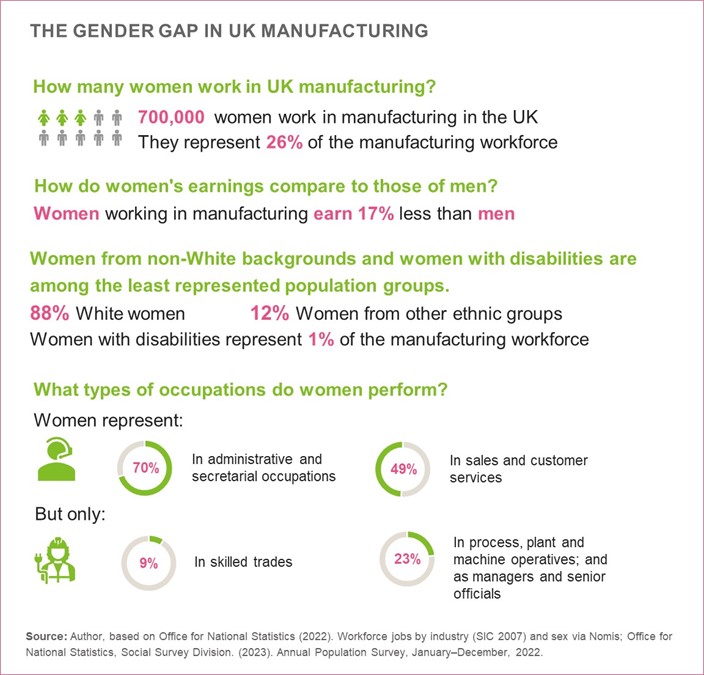
Gender norms and stereotypes segregate women and men into different occupations and economic activities. Although women represent almost half of the labour force in the UK, they account for just 26% of all workers in the manufacturing sector.  Women working in the manufacturing sector earn 17% less than their male peers.

Women from non-White backgrounds and women with disabilities are among the least represented population groups in UK manufacturing. According to 2022 data, women from non-White backgrounds account for 15% of the workforce, representing just 3% of manufacturing employees. In the same year, women with disabilities, as defined in the Equality Act 2010, represented 9% of the people in employment; however, they made up for less than 1% of the manufacturing workforce.

Representation of women in UK manufacturing is markedly lower in skilled trade occupations (9%); process, plant and machine operatives (23%); and managers and senior officials (23%). In comparison, women’s representation is larger in administrative and secretarial occupations (70%), personal services (55%), and sales and customer service (49%).

Traditional gendered division of labour persists in manufacturing industries. Men mostly dominate the automotive industry, while the pharmaceuticals, textiles, and apparel industries have a more equal representation of both genders.

Unpaid childcare and household work disproportionately affect women’s participation in manufacturing. Women in the UK spend 1.7 more time a day in unpaid childcare than men and 1.4 more time in household work.  This traditional gender-based division of unpaid work means that women face larger burdens to participate in paid work, particularly in positions with little flexibility or involving uncertain shifts and locations.

Because of this situation, women are more likely to work part-time than men. In 2022, 23% of the women working in manufacturing were working part-time, while only 5% of men were working part-time.

Challenges faced by women in the UK manufacturing sector

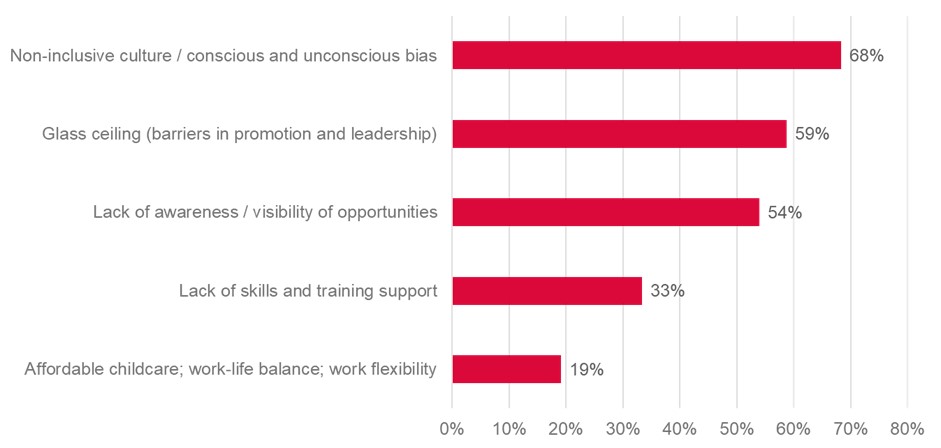
We invited stakeholders from the manufacturing sector to participate in an online survey to understand the challenges women face to participate in the sector. Survey participants perceive that the prevailing non-inclusive culture, which continues to favour men over women in manufacturing roles, is the primary hurdle to the participation of women in the industry. This is followed by barriers in promotion and leadership, a lack of awareness and visibility of job opportunities, a lack of skills and training support and work–life balance.

What are some of the challenges preventing equitable opportunities and rewarding careers for women in manufacturing?

Note: Number or respondents = 63.The sum of the percentages exceeds 100% because respondents could select more than one choice.

Source: Women in Manufacturing survey.

The digital transformation and gender diversity in manufacturing

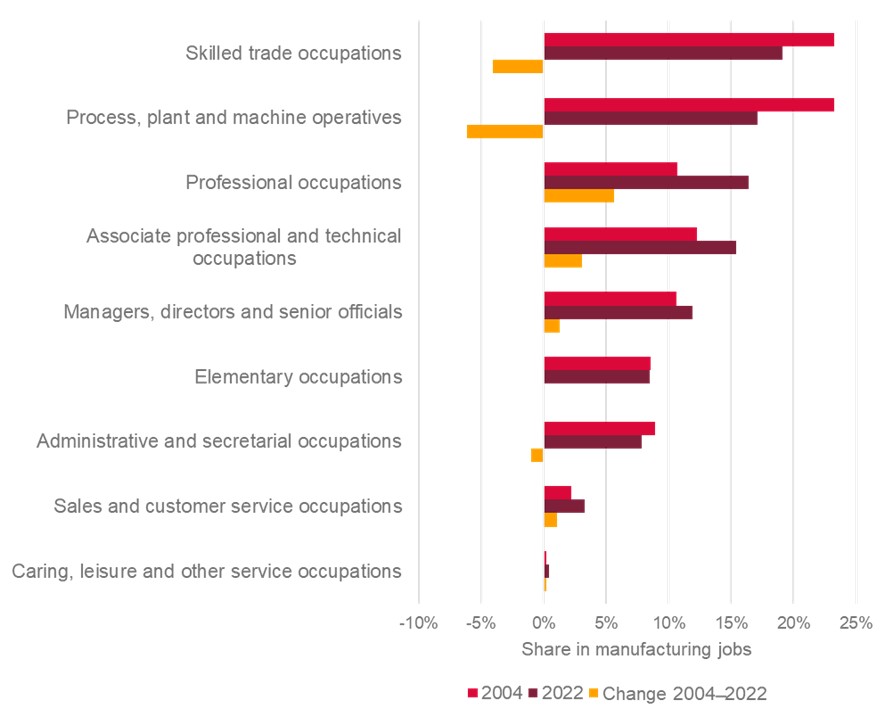
The digital transformation and other recent trends have had mixed effects on gender diversity in the manufacturing landscape. Over the past two decades, the UK manufacturing sector has significantly changed the distribution of job roles within its workforce. Despite labour shortages in roles such as process, plant and machine operatives and skilled trades, which men mostly hold, these positions have seen a notable decrease in their share of manufacturing employment.

Administrative and secretarial occupations, which are mostly held by women, have also seen a decline in employment rates, and this trend is likely to continue in the coming years. In comparison, there has been a substantial expansion in the shares of professionals and associate professional and technical positions.

Changes in manufacturing occupations, 2004 and 2022 (total)

Source: Nomis. Annual Population Survey – Workplace analysis

Changes in the skills required by manufacturing businesses are creating opportunities for women to enter the industry. Skills such as data analysis, forward-thinking and innovation are becoming more relevant, and a growing number of women from different backgrounds have these skills. This positive trend is compounded by the interaction of the digital and the environmental sustainability transitions, which are making manufacturing more diverse.

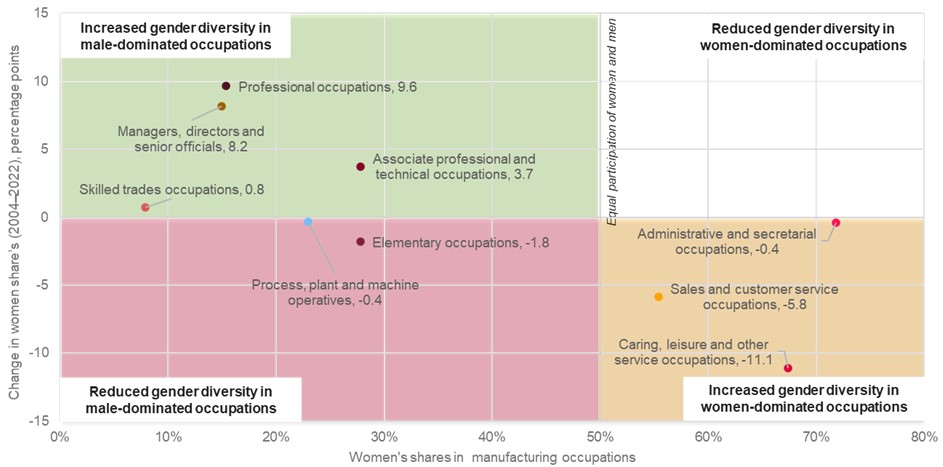
From 2004 to 2022, there was an increase in gender diversity in several manufacturing jobs. These include professional roles, managers, directors and senior officials, associate professional and technical roles, and skilled trade occupations.

Changes in gender diversity IN manufacturing occupations, 2004 ̶ 2022

Source: Author, based on Nomis. Annual Population Survey – Workplace analysis. For detailed definitions of the nine occupational categories please refer to Appendix A of the policy brief..

The way forward: How can we improve gender diversity in UK manufacturing?

Drawing upon established practices to promote gender equality, 10 practical recommendations are provided in the policy brief for UK organisations to cultivate a more diverse and inclusive manufacturing sector.

Businesses, industry associations and research organisations could:

  1. Collect and analyse diversity data. According to the Make UK ED&I Survey 2021, 47% of manufacturers are not assessing the status of equality, diversity and inclusion.
  2. Promote an inclusive workplace culture through initiatives such as awareness-raising campaigns, diversity and inclusion training and networking opportunities.
  3. Address gender bias in recruitment and promotion by using inclusive language in job advertisements, promoting diverse interview panels and candidate pools, and promoting mentoring opportunities.
  4. Support work–life balance by providing flexible working arrangements, implementing return-to-work policies, promoting the uptake of paternity leave, and offering on- or near-site subsidised childcare, among other initiatives.
  5. Share and recognise examples of best practice by creating spaces for organisations to share their experiences and establishing awards to encourage outstanding practices.

Government organisations could:

  1. Follow a gender-transformative approach in government support programmes. This includes setting targets for reaching women-owned businesses through support programmes, including women’s business organisations in the design of dissemination campaigns, and conducting gender-sensitive evaluations.
  2. Support research on gender equality and gender-disaggregated data collection. We cannot address what we do not know. A critical gap exists in gender-, ethnic- and disability-disaggregated data, as well as in understanding gender differences in the adoption of digital technologies in manufacturing. Bridging this gap requires both allocating funding to expand survey samples and supporting new research.
  3. Incentivise gender equality in research and innovation teams by continuing efforts such as Innovate KTN’s guidelines for inclusive design and by including gender equality criteria in research and technology fund allocations.
  4. Adopt a lifelong learning approach in training and education programmes by creating opportunities for women to develop skills at different stages of their lives.
  5. Ensure an enabling environment for improving gender balance in caring responsibilities. This may involve cross-ministerial coordination and collaboration with industry associations to develop and enforce policies that support flexible working, paternity leave, returning to work, and child and adult social-care provision.

The policy brief provides examples of how various types of organisations are implementing initiatives in these areas. These include from a medium-sized business pioneering flexible working in manufacturing, to comprehensive equality and inclusion strategies in a multinational company, and gender-inclusive approaches in digital manufacturing support programmes.

Promoting gender equality not only upholds a fundamental human right but also serves as a catalyst for improved financial and environmental performance, making it imperative to prioritise the increased participation of women in the UK manufacturing sector. The potential economic benefits, as estimated by Make UK, underscore the vital role of gender diversity in closing skills gaps and driving economic growth, potentially adding £7 billion annually to the UK’s gross domestic product.

Finally, while the policy brief provides insights into the dynamics of gender diversity in UK manufacturing, shaped by digital transformation and other contemporary trends, there are still many unknowns that need to be addressed. For instance, we have little understanding of how digitalisation is changing manufacturing workplaces and the challenges women and men face in adapting to and benefiting from these transformations.

Despite increasing commitments to narrowing gender disparities, gender equality remains secondary in importance, particularly in industrial and technology domains. This oversight has resulted in underfunded research and analysis aimed at addressing gender gaps. To pave the way for a more inclusive, innovative, and equitable future in manufacturing, we must collectively tackle these outstanding issues.

Download the full policy brief:  

This work was supported by the UKRI Made Smarter Innovation Challenge and the Economic and Social Research Council via InterAct [Grant Reference ES/W007231/1].

Categories
InterAct Blog

Putting the East Midlands at the heart of the future UK manufacturing ecosystem

The UK was at the heart of the first industrial revolution. Powered by coal, the UK was able to move from craft to mass production, creating new jobs, increased wages, and improved standards of living. Consumption driven economic growth was fuelled by huge increases in productivity. Key to the UK’s success, was its global access to raw materials, its local access to energy (coal), and innovation to develop the technology to enable the shift to mass production.

Little thought was given to the broader environmental and social considerations, with cities engulfed in smog, and children working in factories.   Over time, these issues were addressed but the long-term impact is only beginning to be fully realised.

We are now in the era of Industry 4.0, or the 4th industrial revolution. Initially a name for the German Government’s strategy, to reinvigorate German manufacturing post-2008 global economic crisis, the term has gained widespread popular appeal. At its core was the adoption of digital technologies to create the Internet of Things (IoT).  Over the last decade, with increased awareness of the environmental and societal impacts of consumption driven economic growth, it signifies a more fundamental shift.

There is increasing recognition of the need to decarbonise the manufacturing ecosystem if the UK is to meet its Net Zero 2050 goals. This is driving the adoption of low carbon energy sources, and more resource efficient methods of production. It is also creating a more fundamental change. United Nations Sustainable Development Goal (SDG) 12, identifies the need for more responsible consumption and production.

There is a pressing need to consider new models for economic and business development that decouple consumption from production.  Business models have traditionally been built on ‘linear economy’ models where raw materials are mined, converted into components, assembled into products, that are used, and sent for recycling, energy recovery and land fill at end of life. As consumers have valued newness over utility, and manufacturers have sought to make products as cheaply as possible, the ability to reuse, repair and remanufacture products has become more difficult. 

The future manufacturing ecosystem is built on the principles of a ‘circular economy’. An economy where we seek to keep products in their highest possible value state, through reuse, repair and remanufacture.  A future where recycling is a last resort.  Digital technologies enable the more effective monitoring of the physical location of assets, their condition and usage. They can also enable digital payment, and technical support. 

Innovation is key to supporting the transition to a more circular economy.  It starts with the innovation required to develop the new digital technologies to enable the transition. Innovation may be more transformational and involve the development of new business models. HP Instant Ink is a great example of how IoT technology in home printers enables the provision of home printing as a service.

For a fixed rate, subscribers can print an agreed number of pages per month with a guarantee that they will never run out of ink. The ink levels are remotely monitored, and new cartridges sent in the post when required. Used cartridges are returned to be refilled and reused. These new business models are often run in parallel with existing business models (e.g., traditional purchase of ink cartridges) that may use innovation to improve the productivity and sustainability of existing manufacturing processes or supply chains. 

At the heart of the UK manufacturing ecosystem, the Midlands can lead the UK in creating the first regional manufacturing ecosystem, that is low carbon and supports the principles of the circular economy.  Using innovation to create new business models, products, services, and technologies that enable economic prosperity in a responsible and sustainable way.   Through the Made Smarter Innovation (MSI) funded Interact Project, Loughborough University are working with key stakeholders in the region to develop a 2040 Future Digital Manufacturing Ecosystem roadmap for the Midlands.   Be part of the change, reach out and start to Interact.

Categories
InterAct Blog

Future workforces: advanced manufacturing & Generation Z

Forget some of the negative media hype and concern that you sometimes see from some social commentators and employers about Generation Z (Gen Z). Unlike us Boomers, Generation X and Millennials, Gen Z are the first truly ‘native’ digital generation, more tech savvy, nurtured on constant access to new technologies and more likely to be comfortable in the newly emerging worlds of digital manufacturing[1]

The high digital literacy of Gen Z offers many benefits for advanced manufacturers. They are more multi-skilled and able to execute (simultaneous) work tasks and roles across different digital platforms, while being more readily plugged into virtual and augmented realities[2]. As a workforce, they will be great for advanced manufacturing in the years to come; very likely to tell you that your technology and IT might not be as cutting edge (or confusing) as you thought. If this is not enough, given the right in-work supports – from ‘onboarding’ and beyond – they will allow manufacturers to create better value from problem solving, innovation, and creative roles using their digital toolboxes.

In many ways, the entry of Gen Z to the labour market is ideal for advanced manufacturers adopting new technologies, and their great potential to further change workplace people practices and business models. However, as in all happy(ish) marriages between the needs of employers and younger people’s lifestyle interests and skills, both partners may have some underlying issues that will make an effective relationship based on new technologies difficult to sustain unless they both work at it.

There should be no doubts about the high demand for digital skills in advanced manufacturing. Employers need to understand some key elements of Gen Z thinking and to build this into their recruitment and retention strategies. Ongoing staffing shortages, the seemingly blurring pace of digital and technological change, ‘quiet quitting’ and some issues with workplace upskilling have all helped to accelerate industry demand for digital and multi skilled workforces.

These changes have pitched advanced manufacturers into the ‘talent war’ to attract, retain and develop the most skilled and capable young people. Attracting and keeping the best talent, however, is highly competitive and many industries (including manufacturing) are reporting skill shortages and high levels of unfilled vacancies[3]. Very simply, manufacturers without the right set of people capacities (and practices to support these), digital skillsets, and multi-skilled workforces will struggle to capture and use those advanced technologies to help them compete and innovate.

These labour demand and supply issues pose some interesting questions about how UK manufacturers should be competing for Gen Z talent in terms of job quality. A downside? Well like Millennials they are very values driven and possibly sensitive to your image as an employer on social media. Image matters for the new generation. For advanced manufacturers, one major challenge is the problem with some of the wider UK manufacturing sector. This comes with some powerful historical baggage.

Manufacturing is sometimes be seen by young people in the UK and US as an old-fashioned industry, low paying and male-dominated, offering large numbers of dull, insecure, and dead-end shifts in factory jobs[4]. Forget those images you may have in your head about the emerging SMART factories of the near future, this legacy persists, particularly among the older population segments who remember it and whose opinions may negatively shape their children and grandchildren looking for jobs and careers in today’s labour market. They are not flattering perceptions of a sector looking to recruit ambitious and creative digital talent or even broaden its appeal among older or mid-career workers, or people in under-represented groups such as women and minorities.

On a positive note, these perceptions are very unlikely to match the reality of many or most modern advanced manufacturing settings, particularly in big multinational companies and those who‘ve adopted and transitioned into digital technology. These settings offer (less monotonous) more interesting, exciting, highly technical and financially rewarding work. The recruitment messaging needs to dispel the old legacy of your sector, show the augmented reality, the AI of the bots, the predictive and the multi-purpose data analytics, and whatever metaverse you can conjure.

Apart from showcasing exciting, innovative clean tech, what else should manufacturers be doing to better attract and retain Gen Z talent? There is no shortage of commentary on what Gen Z expect in the workplace, so let’s take three of the more important issues that often feature in wider discussions about them: values, diversity, and flexibility. Helpfully, all of these things connect with each other.

We know that an employer’s image, brand, reputation, prestige, mission, vision and values really matter in recruitment, commitment and retention. Its’ not just about pay, it really isn’t. Values make a big difference in competitive labour markets with restrictions on supply. Potential recruits and employee’s want to know something about your identity and values: how these resonate through your products, people practices, and culture.

Ideally, younger employees want to share in the positive impact and success of your business, be ‘proud’ to work for you and share that in their social media networking and posts. This means that the backstory (and the ‘future-story’) of who you are as an industry, sector and employer is a key part of attracting and keeping the brightest, the capable and the digitally skilled. You can be as sceptical (or ‘boomer’) about this as you like but realising the importance of the ‘image’ and what you stand for, and how you show and tell people your story is something that. For example, big UK-based multinational manufacturers who compete across international markets understand very well. It works.

Your values should set the tone for a whole series of complimentary policies and practices at work that help young people see meaning and purpose in their work. For advanced manufacturers, investing in people, developing their skills and caring about their wellbeing play very well to younger and early career audiences who will still be unsure about their place in the labour market.

A focus on Net Zero and the principles of the circular economy has a strong appeal to the wider social values of many young people keen on environmental messaging and actions around reducing waste and your carbon footprint. Employer values tell people what you care about: whether you look at your workforce as individuals and people; whether you care about their wellbeing and development; and whether you really are asking them to help make ‘useful’ products and have processes that are helping to make a more sustainable world.

Employer values and practices also feed into areas like diversity and being clear about your recruitment messaging. Why is diversity important? Well it isn’t about the numbers of women in your workplace, or those coming through the STEM pipeline. Research shows that gender diversity in manufacturing leads to greater innovation and profitability, and the benefits of having women in leadership positions are even greater. In other words, the implications of diversity (and more representative workforces) seem to be reasonably clear. The more diverse you are as a workforce and the more this is represented in the higher strategic decision making levels of companies, the more you will be likely to be able to harness these different views and experiences, produce better products more geared to different customer segments and better innovate than your competitors.

You can disagree about the need for diversity but the figures tell a different story. Manufacturers need to be much more proactive (and transparent) about equalities, diversity and inclusion at work, particularly when it comes to gaining ‘fair opportunities’ for career progression. Gen Z are more racially and ethnically diverse than previous UK cohorts and there has to be a bigger focus on minorities, and on women.

Only around two-thirds of manufacturing firms currently have an EDI strategy or even an intention to develop one and not surprisingly, minorities only make up 5% of boards and women only 18%[5]. Both groups still largely occupy supporting administrative and clerical roles, or in HR and marketing: far removed from key areas of senior management, making executive decisions and having a strategic influence in their firms. On these figures alone, you would be doing well to describe manufacturing as offering modern, equitable and progressive working environments. For Gen Z talent looking for employers who mirror their personal and social values around racial, ethnic and gender equality, these numbers will make depressing reading.

So how do you address this? At the very least, sense-check or independently audit the recruitment messaging to make sure you are maximising your appeal. In terms of the career progression of women and minorities there are also a few useful ways of addressing some of the internal cultural barriers that they face in moving into senior management roles: mentoring and sponsoring. To some these approaches are probably not as ‘bombproof’ as deciding promotions out with the lads on the golf course, but they are likely to be more effective in helping the business keep good talent.

One popular (post-pandemic) way of addressing the diversity issue concerns giving people greater flexibility at work, through re-designed shift schedules and working from home. Easier said than done for production staff than their non-production co-workers. There are certainly strong hints in the literature that greater flexibility and hybrid working (with some task autonomy) is very well suited to Gen Z workers. Perhaps too suited! Hybrid models bring positive wellbeing benefits for workers, allowing women to balance work and domestic schedules. However, we need to be cautious about visibility at work and that out-of-sight working from home does not translate into out-of-contention workers when it comes to promotions and rewards.

In short, there are sound reasons for believing that Gen Z will be ready-made for advanced manufacturing. To capture the benefits, advanced manufacturers need to understand this audience. They must ensure messaging, imagery and marketing addresses some of the more unhelpful legacy images of their sector, treat their own values and story seriously, and deliver on EDI and flexibility.

Read the first entry in the the ‘future workforces’ series: ‘advanced manufacturing & Generation Z’.


References

[1] Francis, T. & Hoeful, F. (2018) ‘True Gen’: Generation Z and its implications for companies. McKinsey & Company.

[2] Gomez, K., Mawhinney, T. & Betts, K. (2022) Understanding Generation Z in the Workplace. Deloitte US.

[3] For example, The Manufacturer (2022) We need a super solution for fixing manufacturing talent issues (https://www.themanufacturer.com/articles/we-need-a-super-solution-for-fixing-manufacturing-talent-issues/)

[4] For example, Deloitte (2017) A look ahead: how modern manufacturers can create positive perceptions with the US public. (https://www2.deloitte.com/content/dam/Deloitte/us/Documents/manufacturing/us-public-perception-manufacturing-study.pdf)

[5] MAKE UK (2021) Manufacturing Our Recovery Through Inclusion (https://www.makeuk.org/insights/reports/manufacturing-our-recovery-through-inclusion)

Categories
Resources

Storytelling Fellowship videos

Research overview

The Storytelling Fellowship programme is a core element of the InterAct Network. It aims to harness the power of stories to learn from, and address, the human aspects of the diffusion of new technologies in industry. These human aspects include themes such as:

• Productivity
• Resilience
• Competitiveness
• Sustainability
• Levelling-up/inclusion
• Wellbeing

Our Storytelling Fellows have created a growing archive of digital, video stories that you can access below:

Categories
InterAct Blog

Supply chains need buoyancy, not just resilience

Pre-pandemic, businesses were already working through the challenges of a VUCA world – where volatility, uncertainty, complexity, and ambiguity in general conditions and situations were often seen. Faster technological changes, digitization, shortening product life cycles, rapid changes in consumer preferences, and political changes all contribute to this view.

The events of the last three years have created even more instability in Supply Chains, and resilience is now a key topic of debate. We can define resilience as the “capacity to recover quickly from difficulties,” but this implies a return to how things were rather than a new, constantly changing paradigm. It is the challenge of an increasingly uncertain future that forces the question of Supply Chains’ purpose and how they should be designed, governed, and operated to continue running productively in the face of whatever challenges are thrown at them.

Just as a ball will float in a storm on the sea, so must our Supply Chains! They need to be buoyant.

Purposeful Supply Chain design

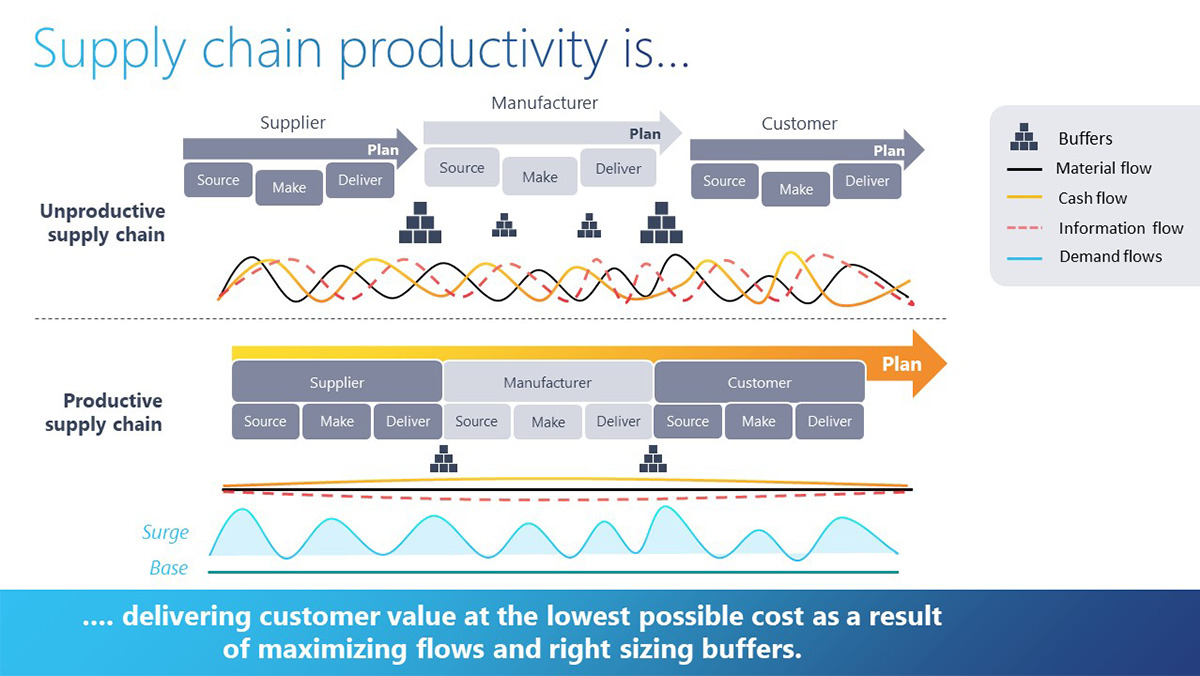
The purpose of a Supply Chain is to get products to people who need them, when they need them, and at an affordable price. This is the definition of a productive Supply Chain.

supply chain productivity model

This should be done sustainably and responsibly. Supply Chains often operate in a non-responsible way, presenting numerous examples of unfairness in the distribution of value along the chain. The control of data and information is a key enabler of negotiating power plays between parties – it is incredibly challenging to get two entities to collaboratively plan just for mutual benefit.

Large enterprises often optimize their operations to the cost of their SME suppliers. From a Supply Chain finance perspective, the bigger players have better credit terms but pass the risk and costs to their supply base – increasing their own cost and risk and leaving the Supply Chain sub-optimized.

Key supply chain design considerations

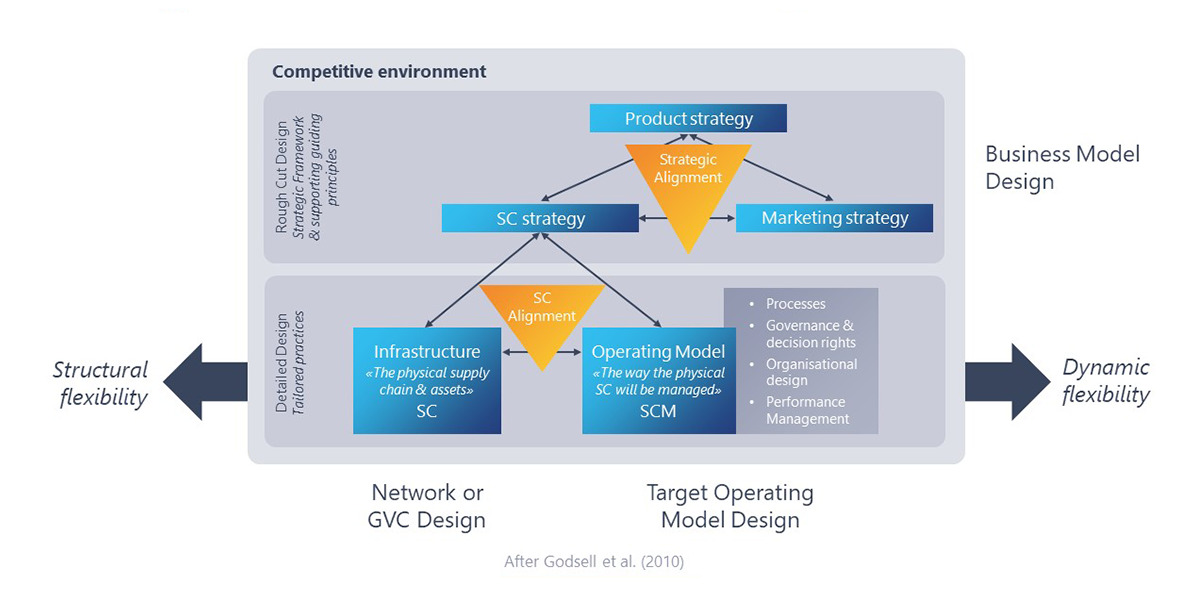
As part of a Business Model Design, product and marketing strategies should inform and drive Supply Chain strategy and ensure strategic alignment.

supply chain business model design

In a fast-moving consumer goods context, the Supply Chain design requirements for an everyday low-price (EDLP) pricing strategy with relatively stable demand differs from one with deep-dive Hi-Lo promotions and unpredictable demand. The challenge of the Supply Chain design is that within the life cycle of assets, a business may switch between EDLP and Hi-Lo many times. If the design is optimized for EDLP or has high predictability, there will be issues!
The design principles need to work through the infrastructure and operating model to deliver the necessary level of structural flexibility and dynamic flexibility.

Structural flexibility concerns the infrastructure and set-up of the physical Supply Chain and the assets. This includes:

  • in-house capacity
  • outsourced manufacture capability
  • multiple supplier capability
  • geographic location (in-country, near-shore, off-shore)
  • the option to extend or move nodes in the supply chain.

Dynamic flexibility focuses on the operating model – how the physical assets will be managed. The model covers the following:

  • business processes
  • governance and decision rights
  • organizational design
  • performance management processes (e.g. who determines the levels of stock, where it should be held, and the approval processes for those decisions).

Orchestration and synchronization of the Supply Chain are critical enablers for ensuring it is as productive as possible. This is achievable by maximizing flow through the Supply Chain and rightsizing the buffers for stock and spare capacity.

Actions are driven from the source

The signal from the head of the chain closest to the point of final demand should drive actions across the whole chain. Essentially, interactions between business entities within the Supply Chain should be principally taken from a planning perspective rather than a procurement perspective.

There is a need to understand the constituent elements of the buying demand behavior, such as surge and base volumes, to inform the decisions taken in the chain. For example, increased demand for mobile phone gifts may be seasonally driven by Christmas versus purchases for birthday presents or end-of-contract replacements, which are more likely to be spread throughout the year.

A segmentation approach to the demand signal is required to determine the right supply action – an example being the setting of production wheels within a factory or a runners/repeaters/strangers approach to planning.

supply chain flexibility model

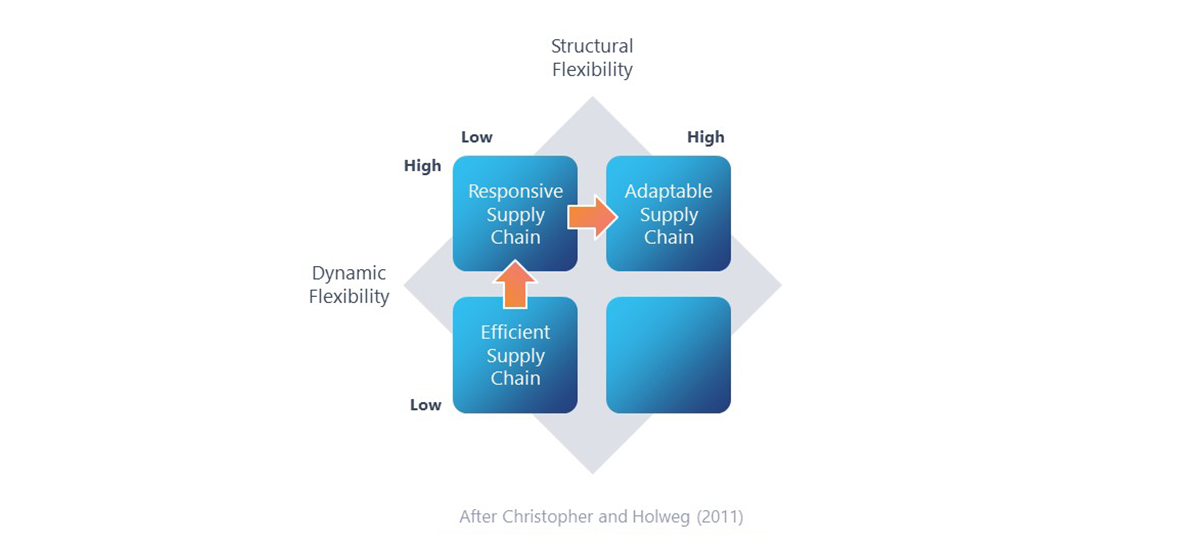
Decisions on the required level of dynamic and structural flexibility are critical for businesses. There is a direct cost for resilience as businesses choose to move to lower-cost, more efficient Supply Chains from ones more sensitive to shocks. The positive financial impacts are facilitated by delivering a more responsive approach. An adaptable Supply Chain model, in short, brings new capabilities into the network.

We can consider this cost in a similar way to an insurance premium. Business cases for resilience will be needed – but how is that developed, measured, and articulated against traditional business cases optimized to ROI cash? A traditional business case based on a single number and set of assumptions is inadequate for the unknown storms which may lie ahead. They must incorporate tolerance for different assumptions to give range and richness to thinking.

A balanced response enabling flexibility

Business processes need to develop. One example would be the S&OP process. A traditional S&OP process focuses on dynamic flexibility – aligning Sales and Supply Chain plans to meet demand – often over a relatively short time frame. So, what is the trigger for a structural network design change? How would a review of structural flexibility sit alongside the S&OP process?

Supplier resilience strategies also need development. If one of the needs for structural flexibility is multi-sourcing – how will volume be allocated? Will businesses pay for suppliers to be ready to supply (just in case they are needed), even in a high-inflation economy? Supplier relationship management will need to develop longer-term, more collaborative processes rather than playing a zero-sum transactional game where the price is the key focus.

Top tips for improving Supply Chain flexibility and resilience

So, what are the actionable insights?

  • Commercial and Supply Chain Strategies need to work together over the lead time for structural flexibility.
  • Creating the capability to react to unknown future Supply Chain shocks will increase upfront costs. This needs to be reflected in business cases. Scenario evaluation tools provide insight into the decision-making process.
  • Design for uncertainty and segment the Supply Chain. Actively manage the inventory and capacity buffers to enable a stable beat.
  • Collaboration for network orchestration, both within and between enterprises, needs visibility of data across end-to-end Supply Chains. The use of advanced planning systems is an enabler for decision-making. Procurement’s role and behavior are likewise critical to supplier relationship management.
  • Businesses need to develop collaboration and governance processes for business process design and decision-making. Self-sufficient, empowered teams are enablers for dynamic flexibility.

One of the lessons from the last five years within Supply Chain management is that simply being resilient to recreate the previous conditions and Supply Chain set-up is no longer sufficient for future success. Teams constantly battle from one shock to another – and this is not sustainable. A reactive way of working creates burnout and costs businesses money.

Businesses must actively decide the right level of dynamic and structural flexibility they need. This creates the required capabilities, so they can bounce back from Supply chain Disruptions, use the next crisis to produce opportunities, and create competitive advantages.

Supply Chains need buoyancy, not just resilience.

Ready to learn more?

The insights in this blog are taken from our Innovating Profitable Manufacturing Supply Chains with Resilience webinar organised by
Board International

Watch it on-demand now to take a deeper dive!