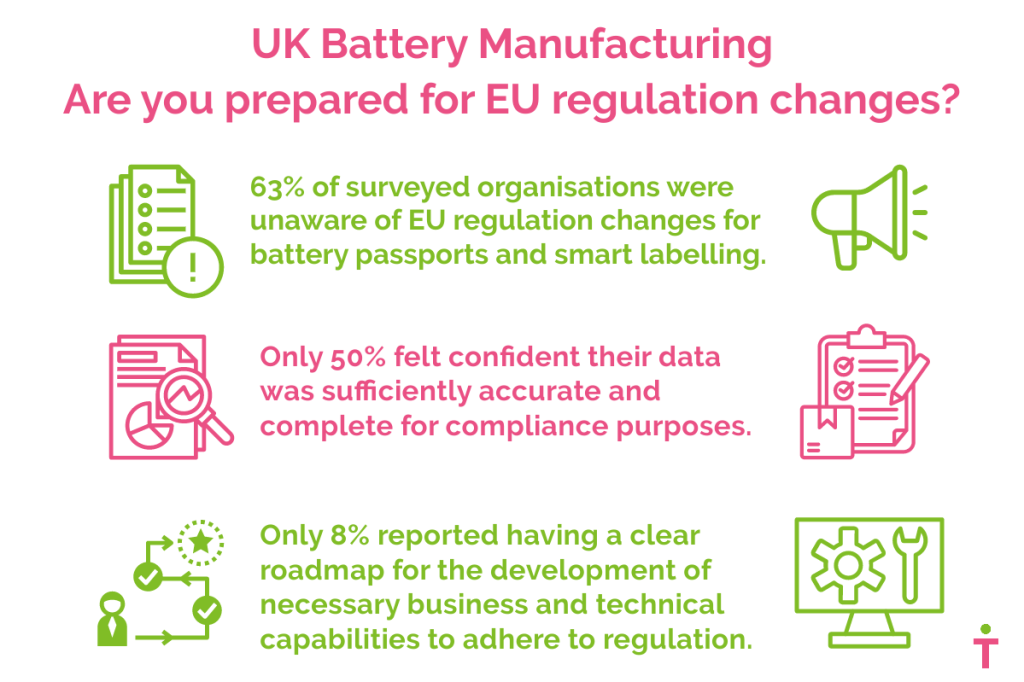
With the enactment of the new EU Battery Regulations, organisations are required to embrace Battery Passports and Smart Labelling, enabling transparency and sustainability in battery production and consumption. Recent research from InterAct funded researchers, however, highlights critical gaps in awareness, information availability, and operational readiness faced by UK organisations in aligning with these legislative changes.
A representative survey was conducted to gauge the awareness and preparedness of 80 organisations in regard to the new EU Battery Regulations. An Industry-Academic round table discussion and follow-up interviews were then held to reflect on the implications for industry. The results can be downloaded in the two reports below.
This research was conducted by Dr. Melanie King and Paul Timms (Loughborough University). This work was supported by the UKRI Made Smarter Innovation Challenge and the Economic and Social Research Council via InterAct [Grant Reference ES/W007231/1].
For further discussions or potential applications/collaborations, please contact Melanie King.
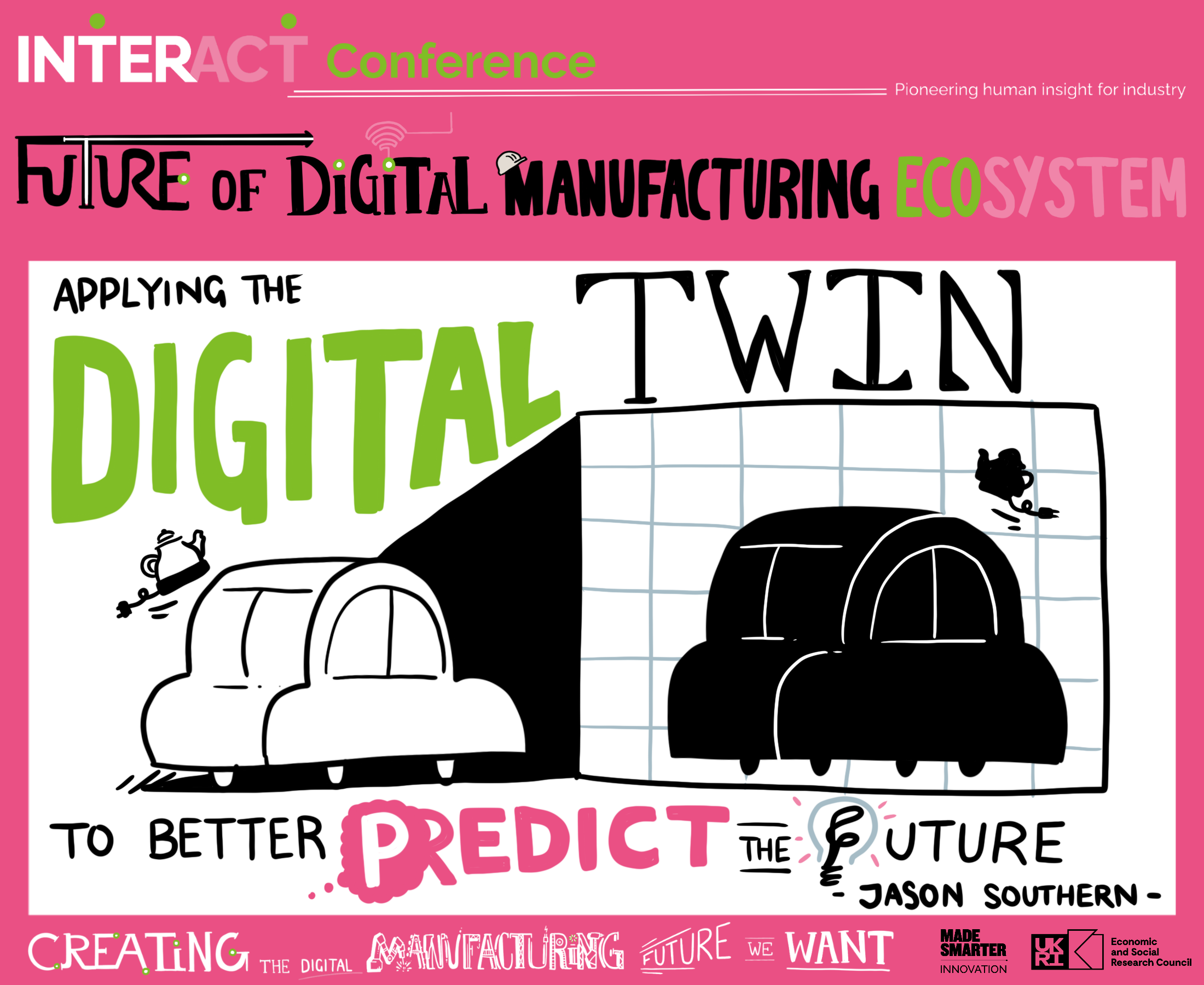
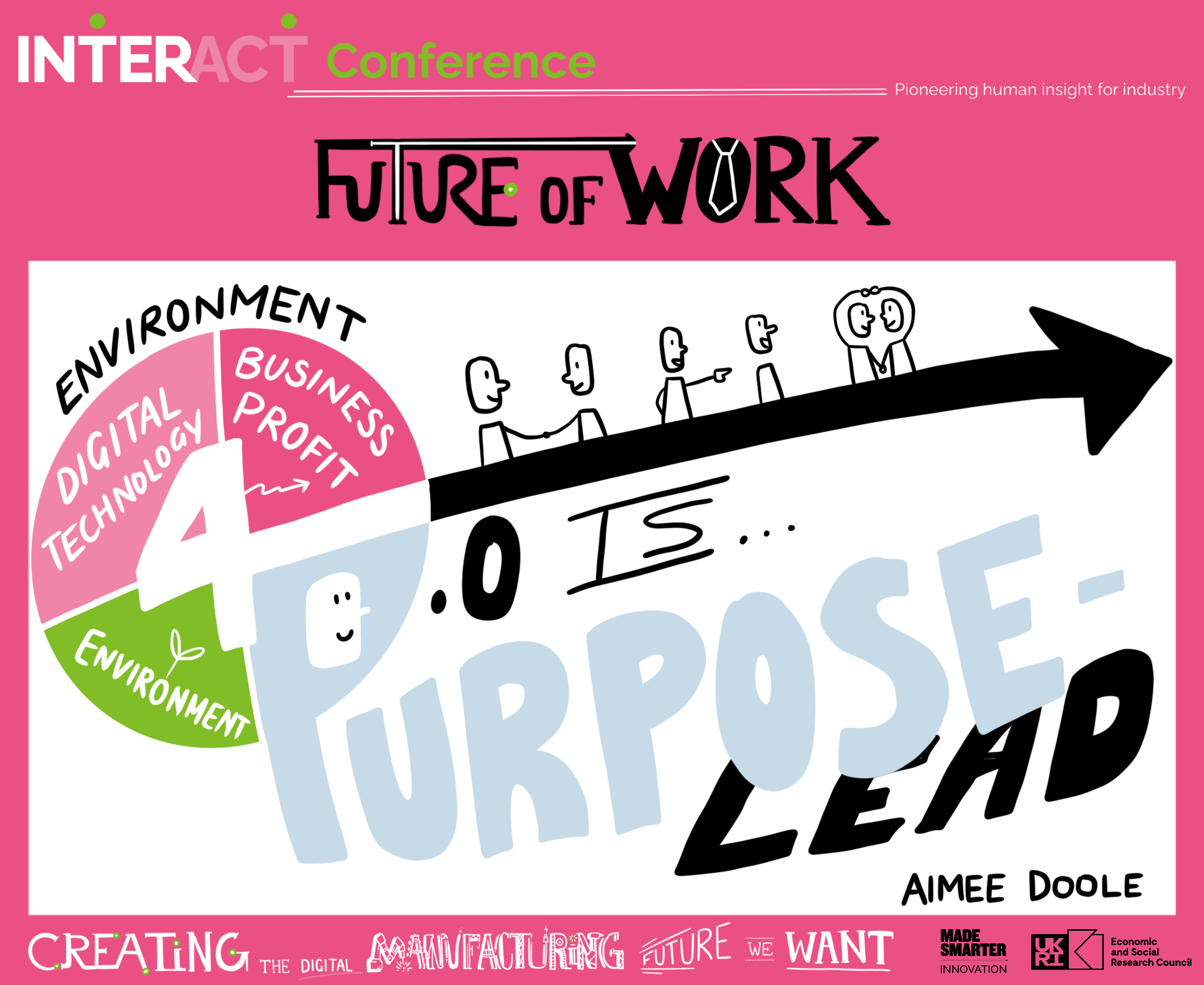
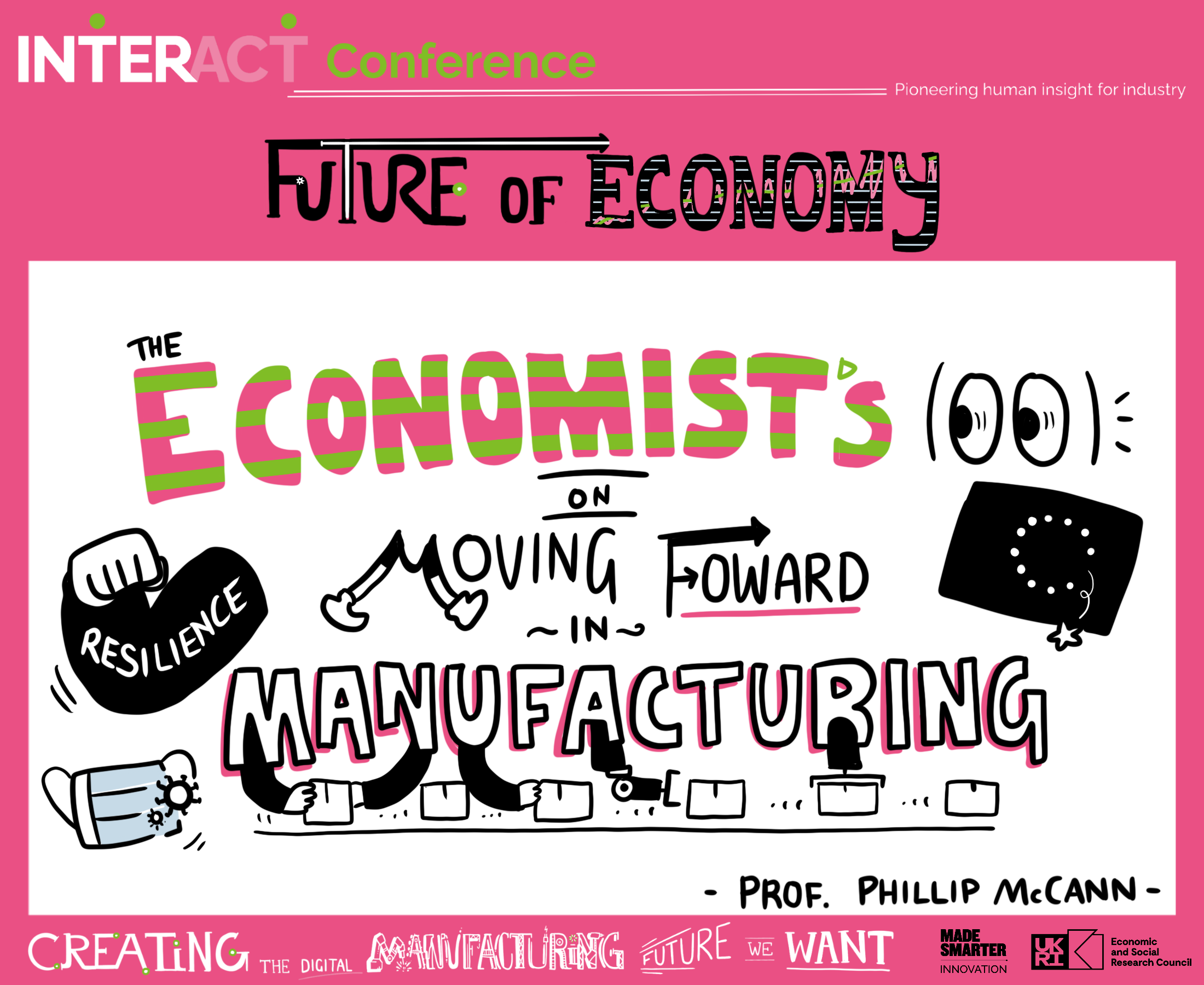
As we embark on the next stage of our industrial evolution, digitalisation will shape the future of our economy, manufacturing ecosystem, and workplace. Digital technologies can enable us to create the future we want and move beyond consumption driven economic growth.
Our challenge is to create a future digital manufacturing ecosystem that meets our net-zero ambitions, whilst being resilient and productive. Thus, ensuring that everyone has the things that they need, at a price that they can afford, without damaging the environment or society.
To create the future digital manufacturing ecosystem we want, we need to work together. In order to combine our expertise from the broadest range of perspectives around this common goal, we need to InterAct.
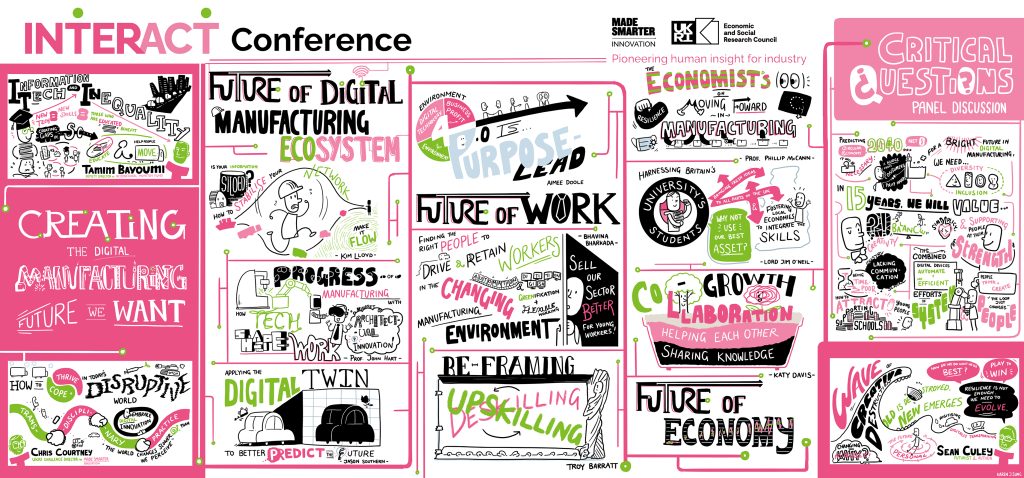
Find out more about the outcomes of our first annual conference below.
How did the InterAct conference benefit attendees?
Gaining actionable human insights into the future manufacturing environment.
Networking and building relationships with cross-sector experts interested in creating a positive, forward-thinking vision for UK industry.
Building narrative development skills to enhance the reach of messaging in the digital environment.
The opportunity to take part in a collaborative workshop on the theme ‘How do we create the digital manufacturing futures we want to see, together’.
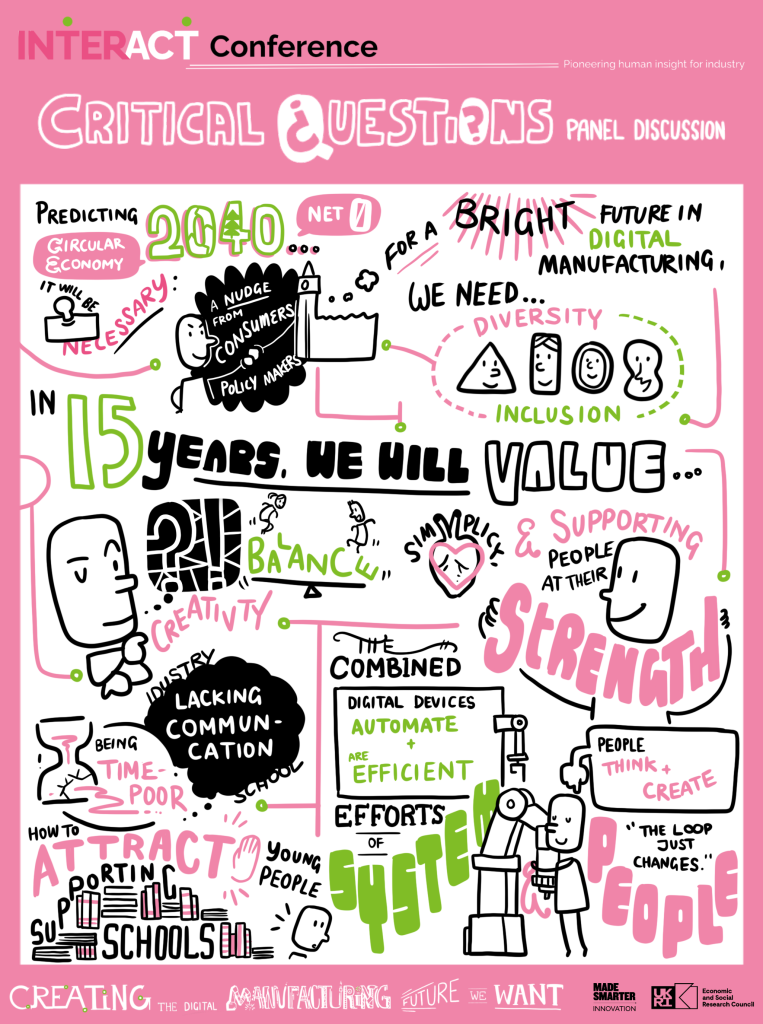
Engagement with a panel of highly regarded speakers from the world of manufacturing, policy, and academia during an interactive Q&A session.
Speakers
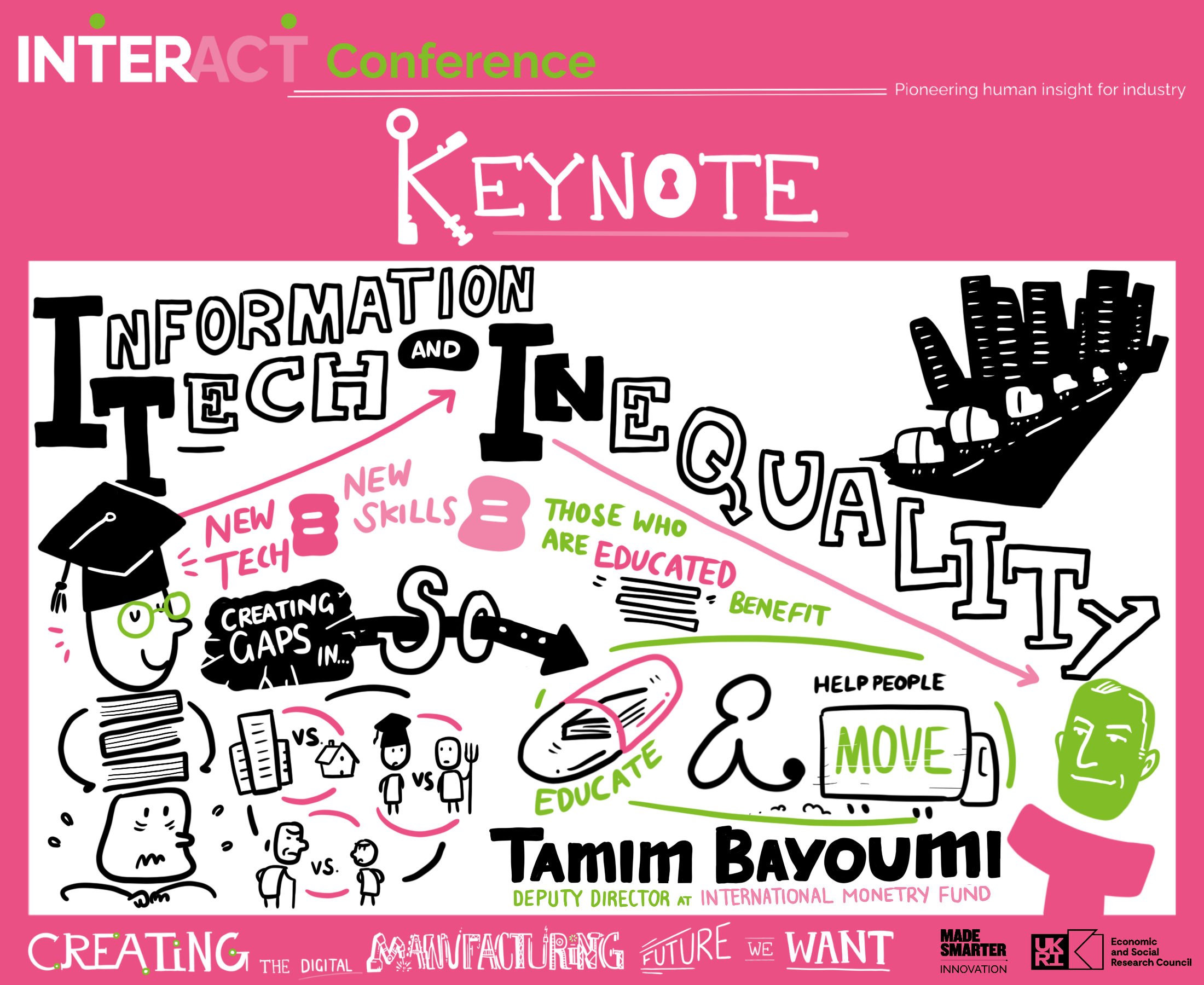
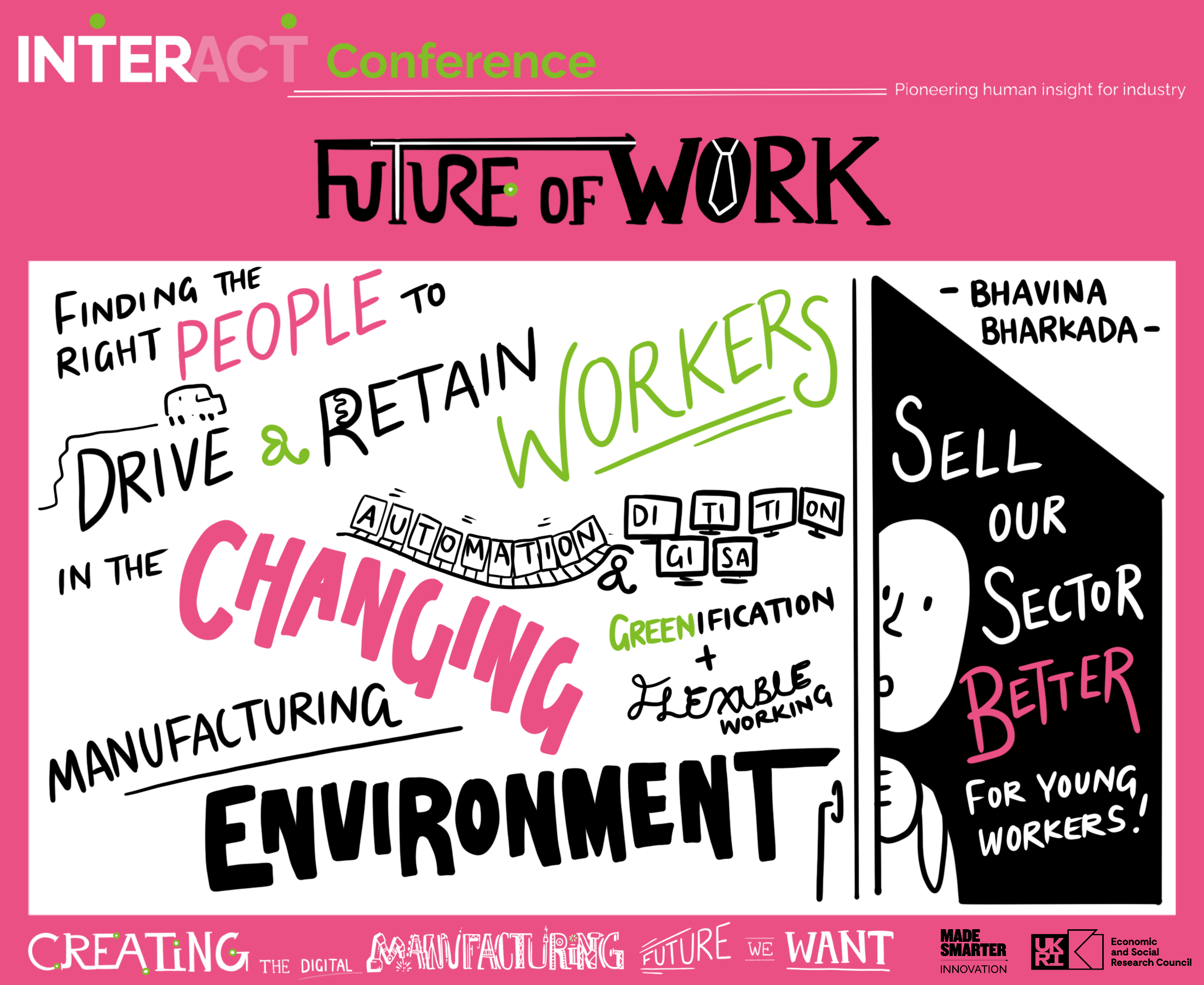
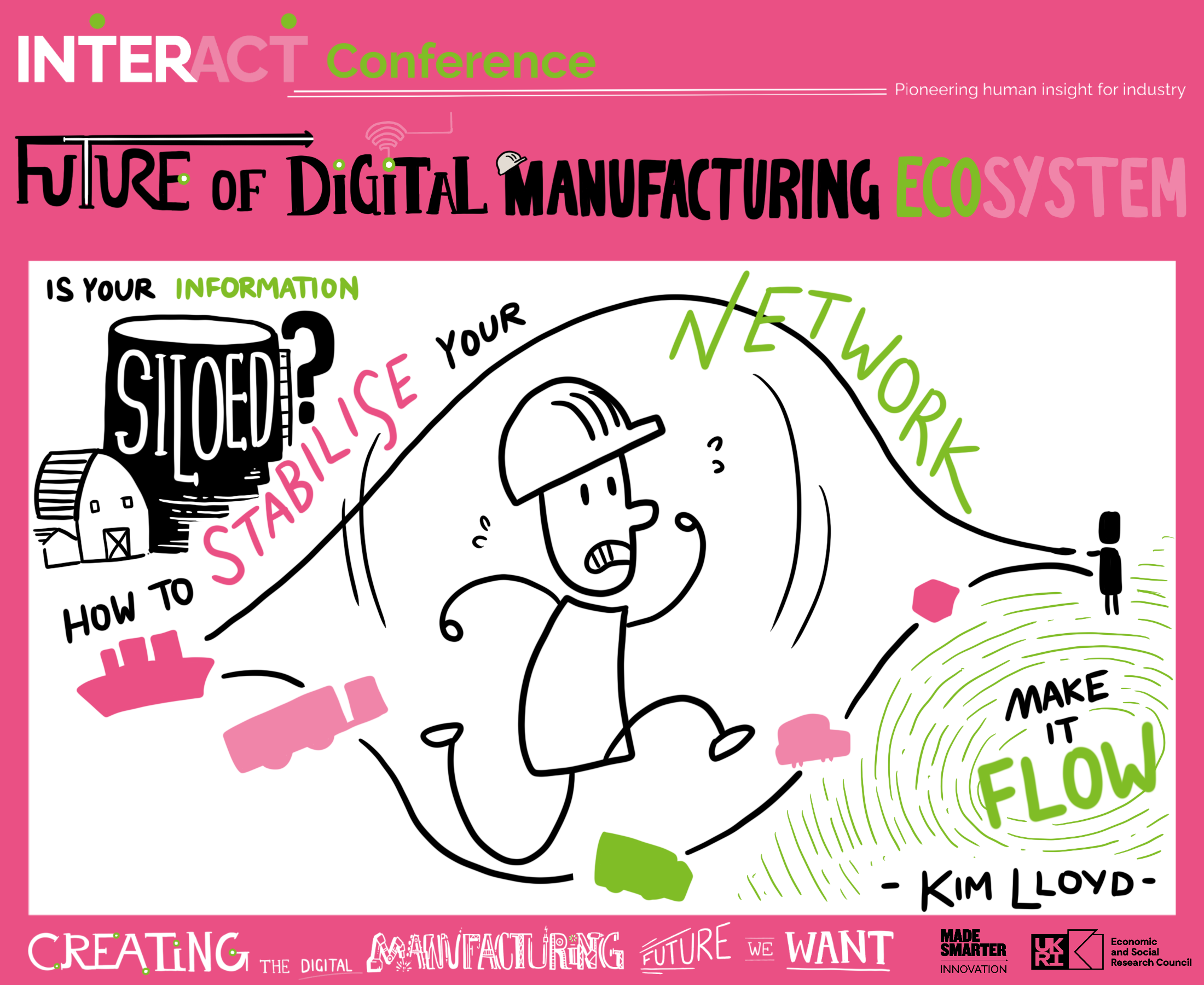
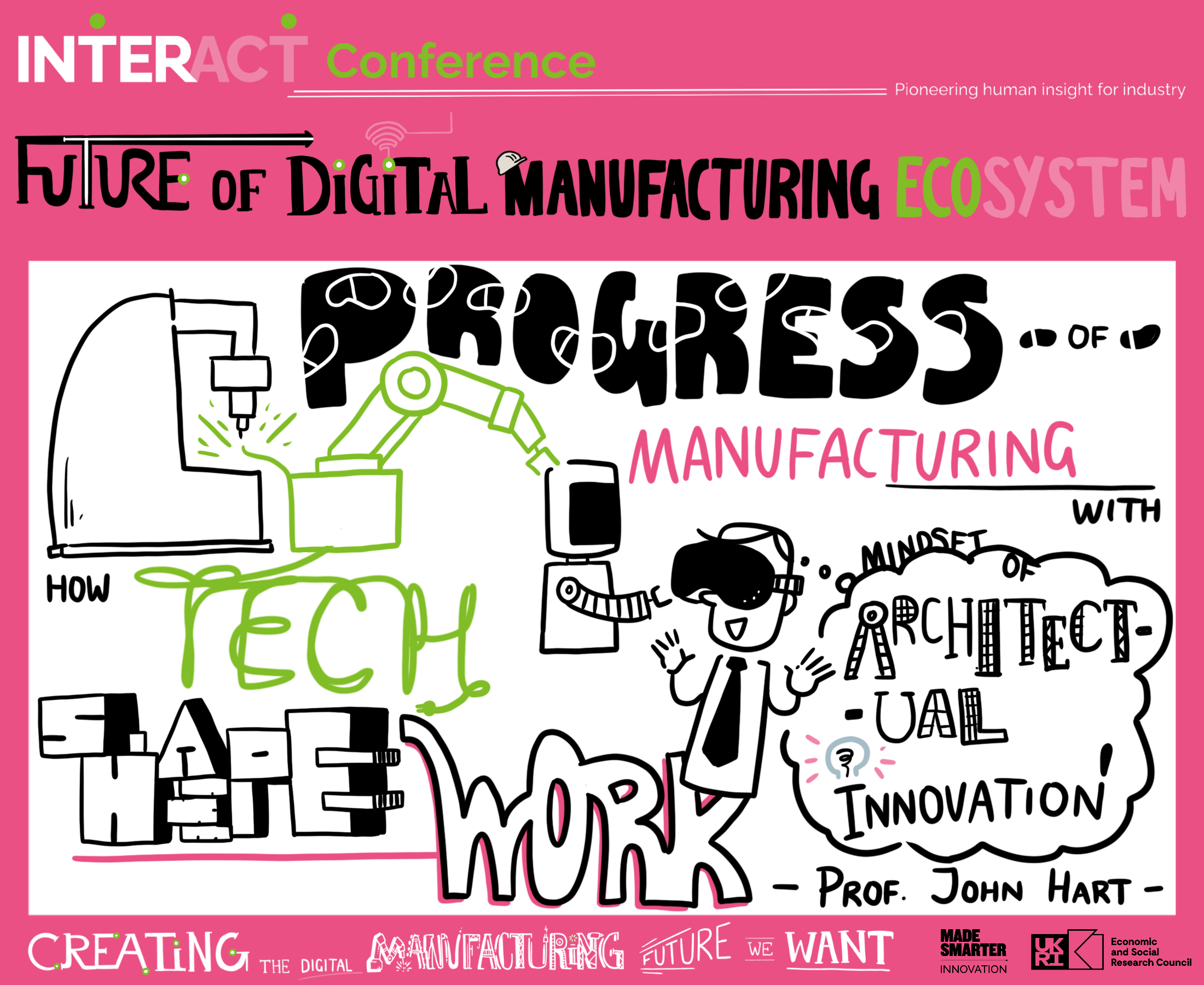
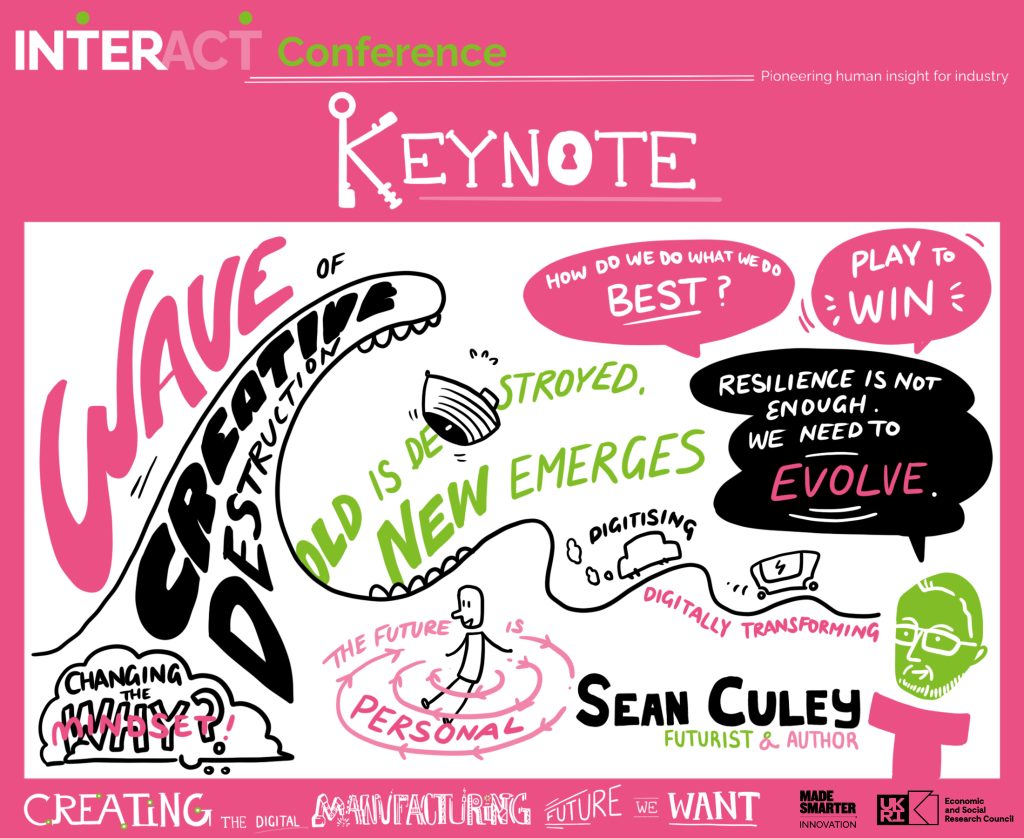
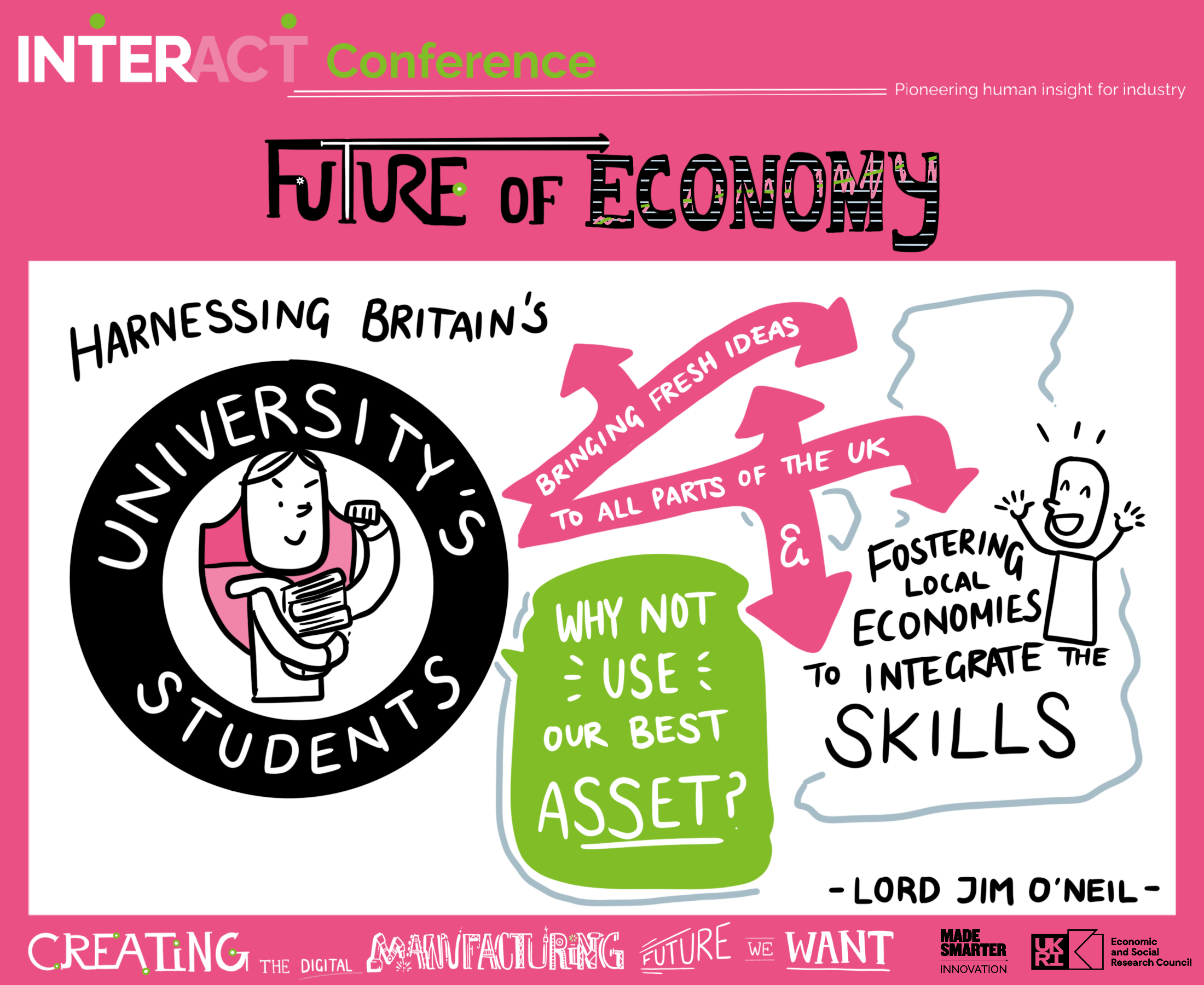
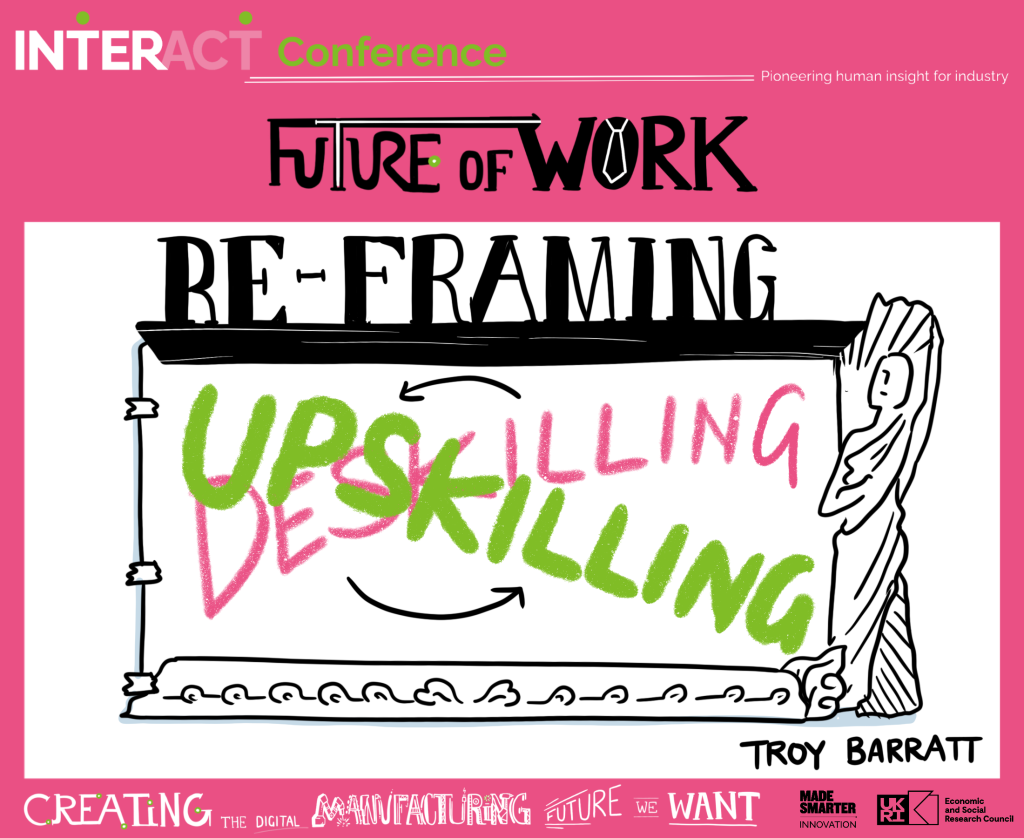
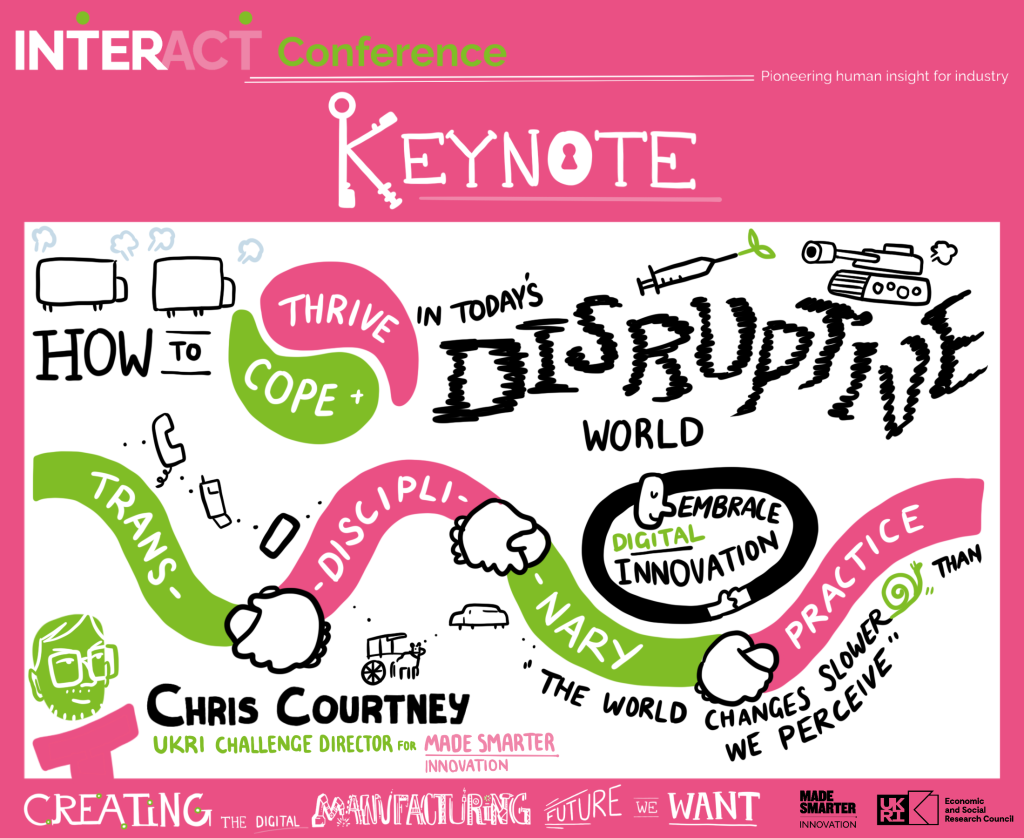
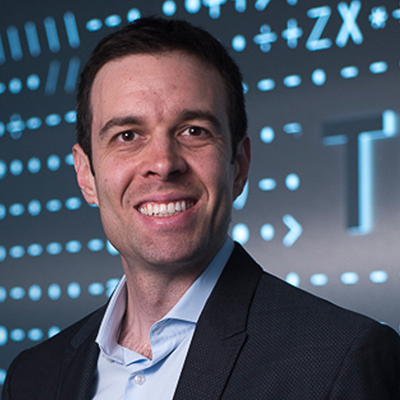
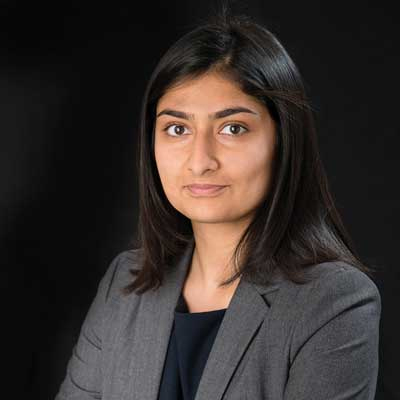
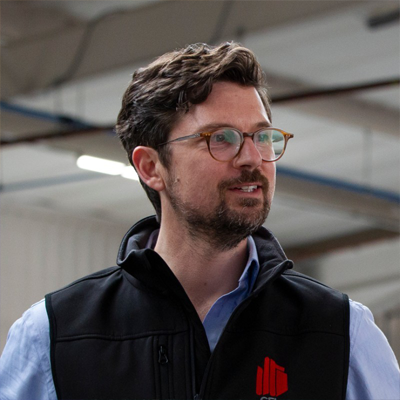
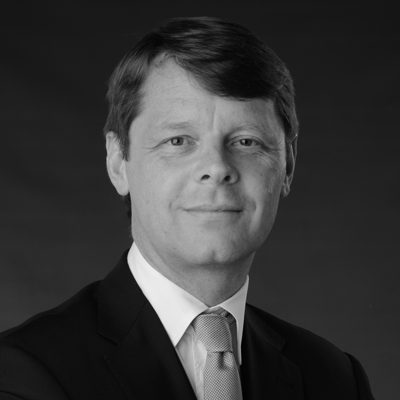
We were delighted to welcome a roster of world-leading speakers, who shared unique insights and perspectives on their areas of expertise in relation to the theme of ‘Creating the digital manufacturing future we want’.
Our speakers were drawn from a wide range of backgrounds across industry, policy, think-tanks, and academia. Together they represent a diverse collection of voices that we want to draw into the wider conversation about what it will take to build a future that delivers for everyone.